ZBA denies variance for solar array on capped landfill after divided vote
At it's January 12, 2026 meeting, the Zoning Board of Appeals voted 3–2 in favor of the variance, falling one vote short of approval

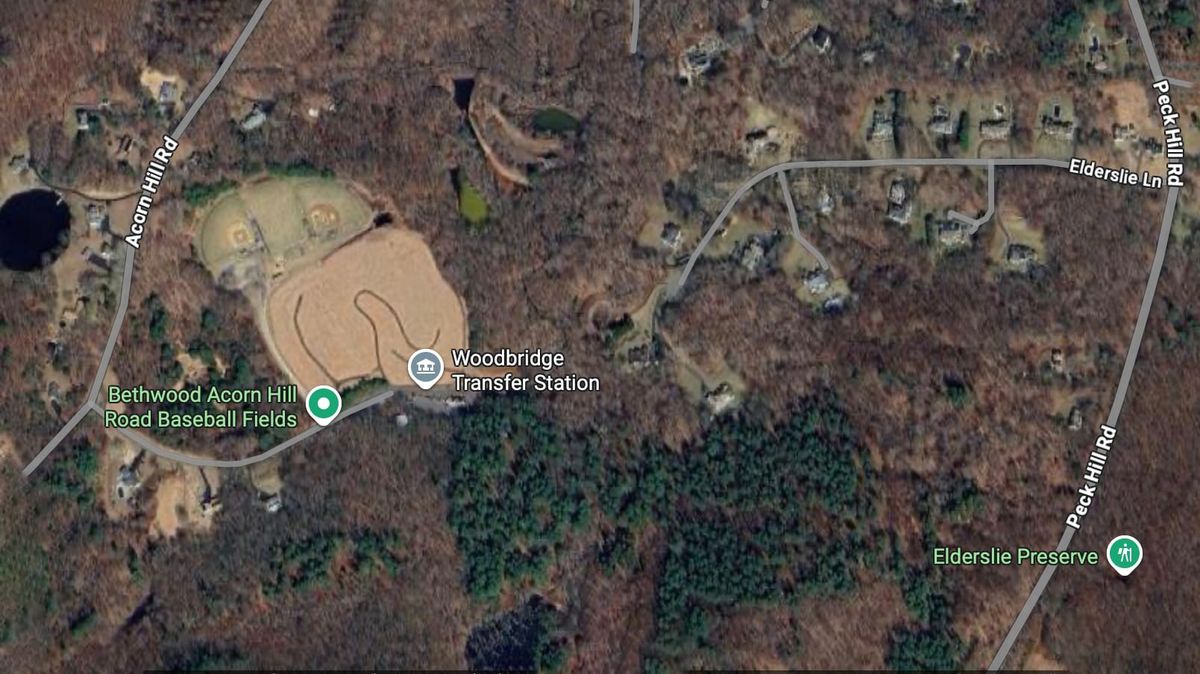
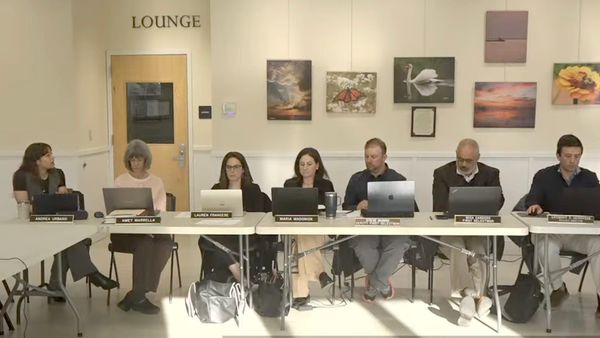
The Woodbridge Zoning Board of Appeals (ZBA) held its regular meeting on Monday, January 12, 2026, conducting a public hearing on a proposed solar energy project on Town-owned property at 89 Acorn Hill Road Extension. After extensive testimony and deliberation, the Board voted 3–2 in favor of granting a variance — one vote short of the four votes required for approval — resulting in denial of the application.
The meeting, held at Town Hall, was the Board’s first of the calendar year and also included the election of officers. Acting Chairman Hank Nusbaum was unanimously elected Chairman for the new term, 2026-2027.
Proposed solar project on former landfill
The public hearing concerned an application by Green Skies Clean Energy, LLC seeking a variance from the Town’s zoning regulations to permit construction and operation of a 4.33-acre ground-mounted solar array in a Residence A Zone. The site is a capped former landfill owned by the Town of Woodbridge, located between the Transfer Station and the Acorn Hill athletic fields.
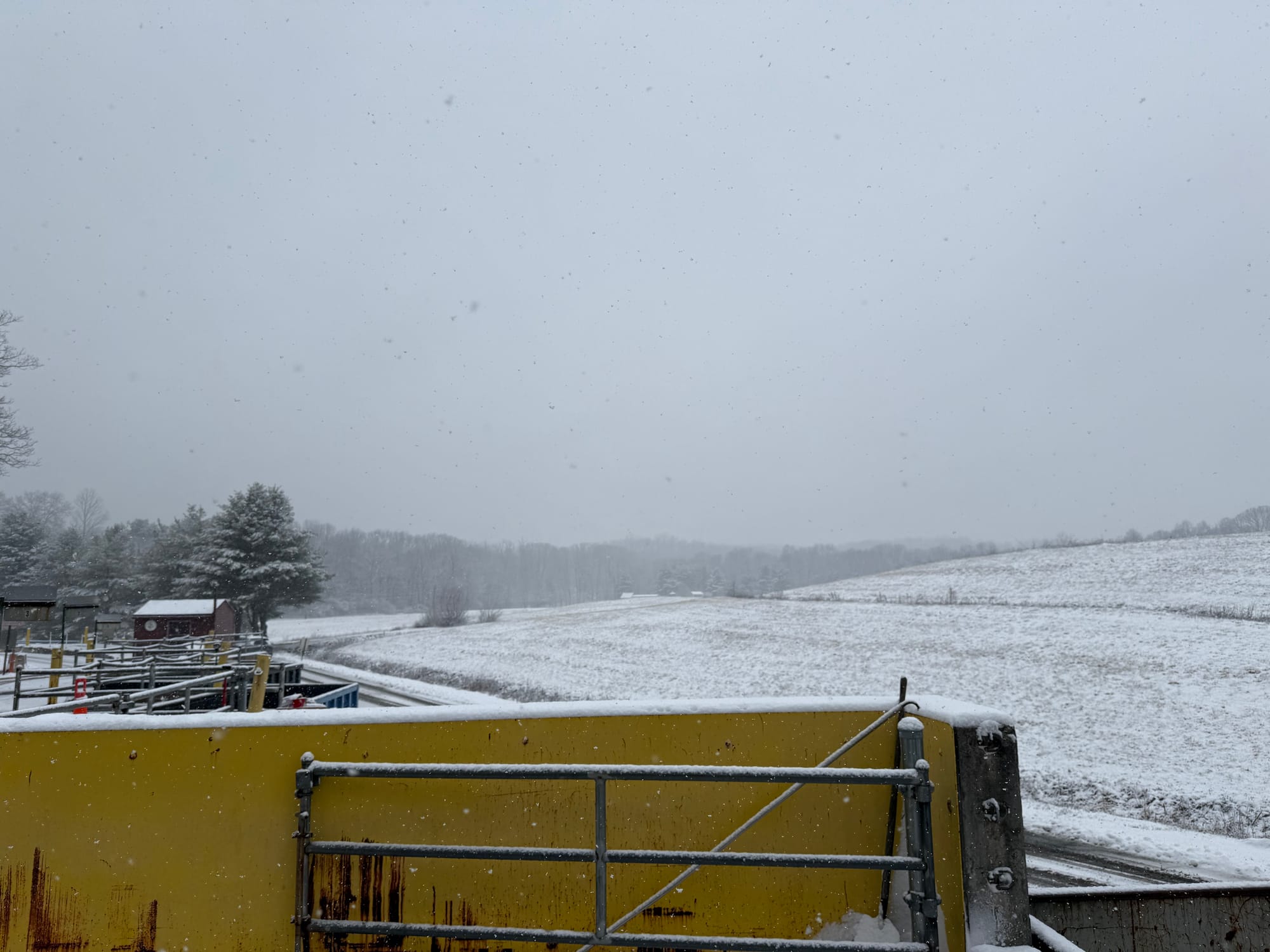
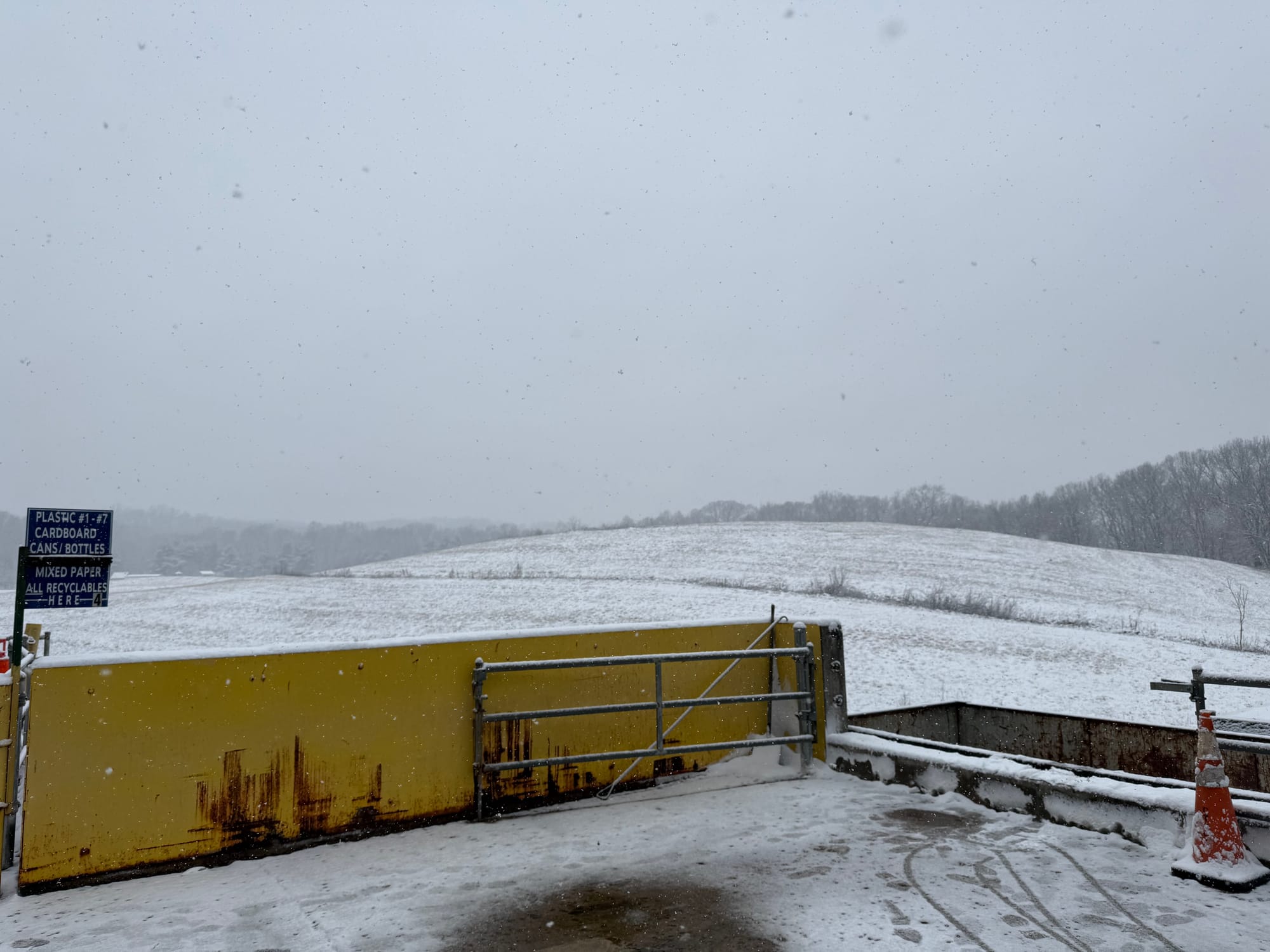
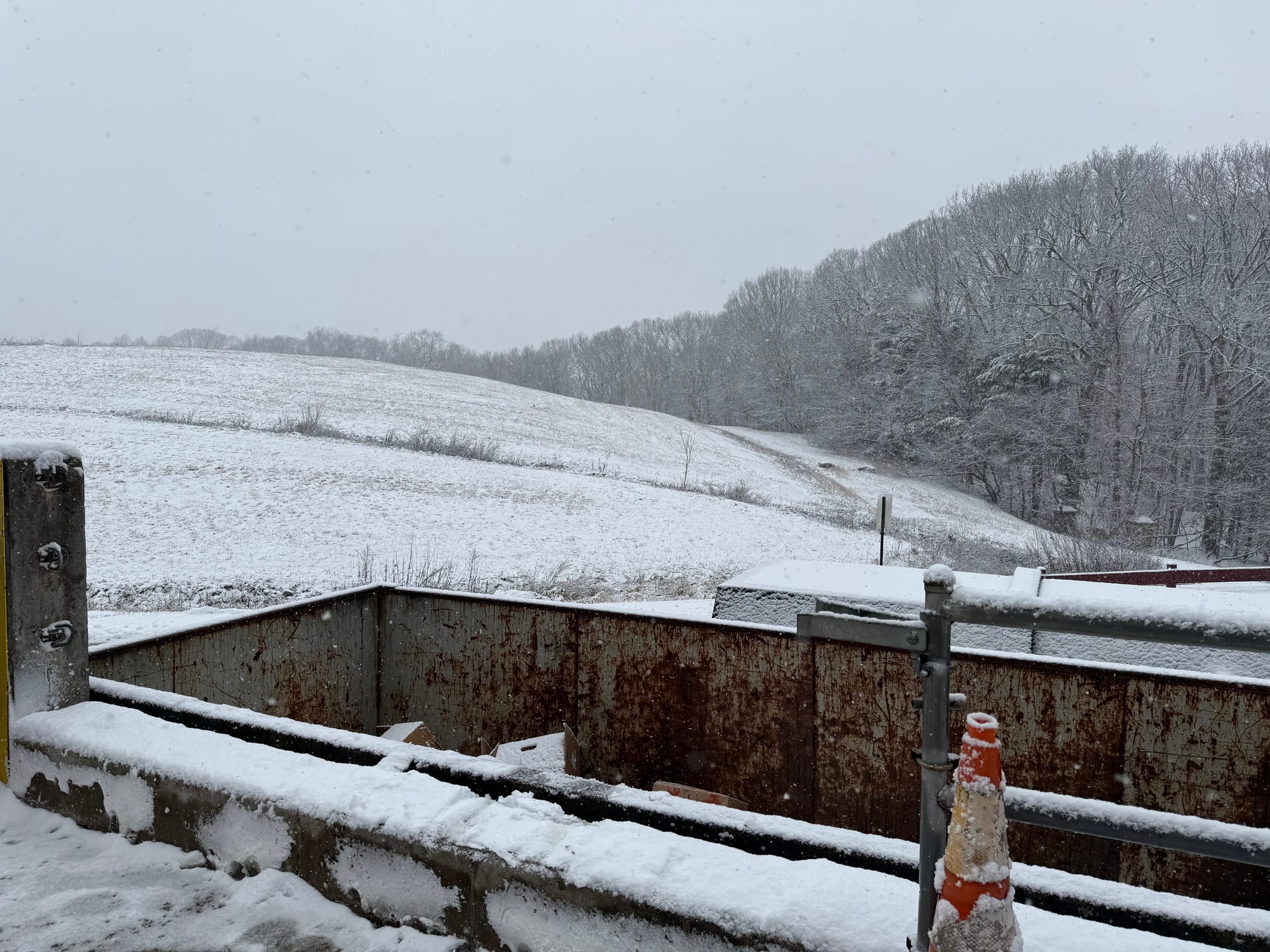
View of the capped landfill from the Transfer Station on a recent snowy afternoon.
Representatives of the applicant and its engineering consultant presented details of the proposal, which would place ballasted solar panels on the landfill cap without penetrating it. The array was described as having a planned output of 999 kilowatts and an expected operational life of 20 years. According to the applicant, the Town would receive annual lease payments and additional savings tied to municipal electricity usage.
Public comment and neighbor concerns
Several residents raised concerns about the proposed location of the solar array on a capped landfill, citing potential environmental and structural risks. Issues raised included the integrity of the landfill cap, the possibility of increased leachate migration or groundwater contamination, and the effects of construction activity and long-term loading on a site described as environmentally sensitive.
Neighbors also reminded the Board of the site’s history as an active landfill and of past environmental problems associated with it, noting that the property was capped in the 1990s following runoff and contamination concerns. Residents urged caution about introducing new construction activity on a site with that history.
Residents further expressed concerns about visual impacts, including fencing, panel height, above-ground electrical infrastructure, and the placement of inverter and transformer equipment near residential and recreational areas. They also questioned whether the project met the legal hardship standard required for a zoning variance and raised cost-benefit concerns, arguing that the projected financial return to the community was modest relative to the scale and duration of the impacts described — a consideration residents are permitted to raise as part of the public interest record in land-use proceedings.
One nearby property owner submitted a detailed written statement outlining these concerns and read the letter into the record at the public hearing, supplementing it with additional oral comments.
Board deliberation and vote
Following the close of public comment, Board members discussed the application and expressed reservations, including concerns about the level of due diligence presented, potential risks to the integrity of the landfill cap, and whether the proposal represented a continuation of a nonconforming use.
A motion was made to grant the variance based on a finding that the capped landfill constituted a hardship with limited alternative uses. The motion received three votes in favor and two opposed. Because state law requires a concurring vote of four members of the Zoning Board of Appeals to grant a variance, the motion failed and the application was denied. Under Connecticut General Statutes § 8-7, the concurring vote of four members of a zoning board of appeals is required to grant a variance or special exception.
What happens next
Under Connecticut law, a decision of the Zoning Board of Appeals may be appealed to Superior Court within the statutory appeal period. An additional path forward may involve resubmitting a variance application; Woodbridge’s zoning regulations do not specify a waiting period following a denial, and any future application would typically need to differ materially from the proposal previously considered (for details, see Town of Woodbridge Zoning Regulations, Chapter 495, Article VIII, Zoning Board of Appeals).
ZBA meetings are open to the public and recordings can be viewed on the town’s YouTube channel, WGATV79. Click below to watch the full January 12, 2026 meeting recording.