Why Woodbridge’s Landscape Matters in Connecticut’s Bird Crisis
'2025 State of the Birds' report highlights the importance of large, connected habitats
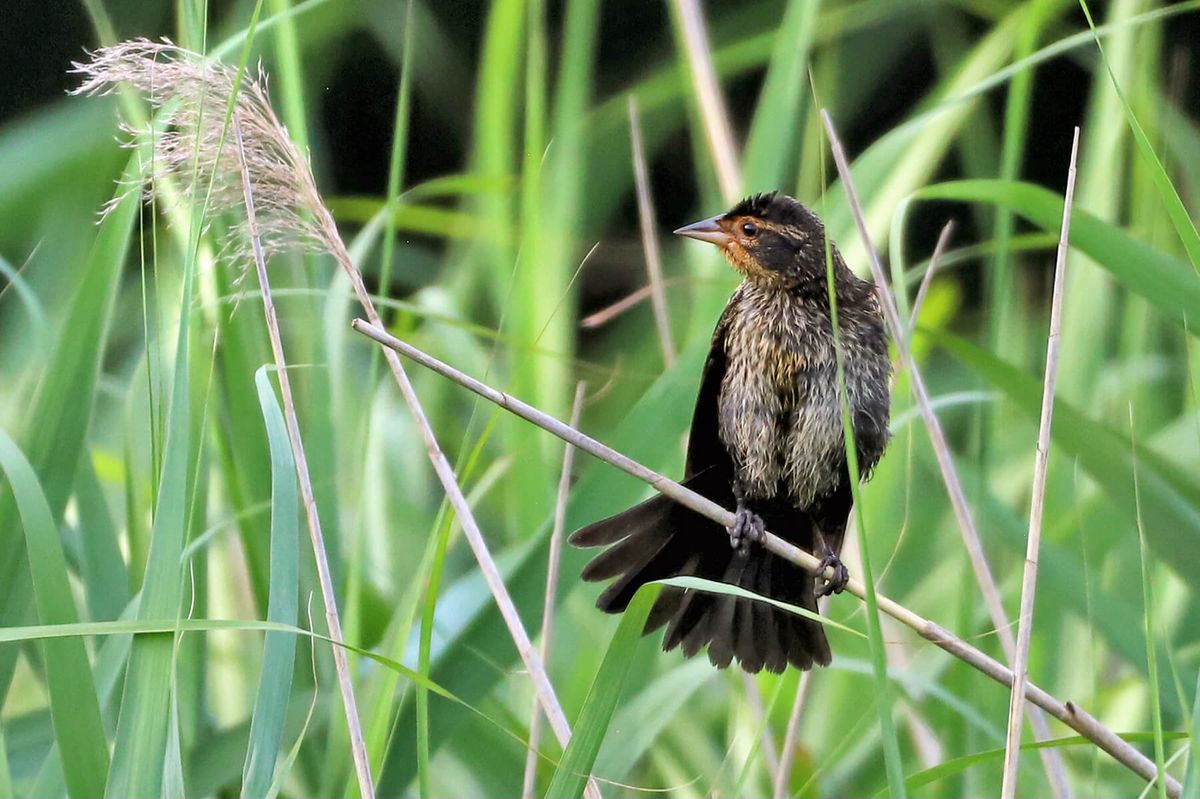
The 2025 State of the Birds report, published by the Connecticut Audubon Society, delivers a clear warning: many of the birds that define our region — forest songbirds, meadow species, raptors, and even familiar backyard visitors — are declining rapidly. Several are now listed as “tipping-point species,” meaning they could disappear within the next decade or two without significant habitat protection.
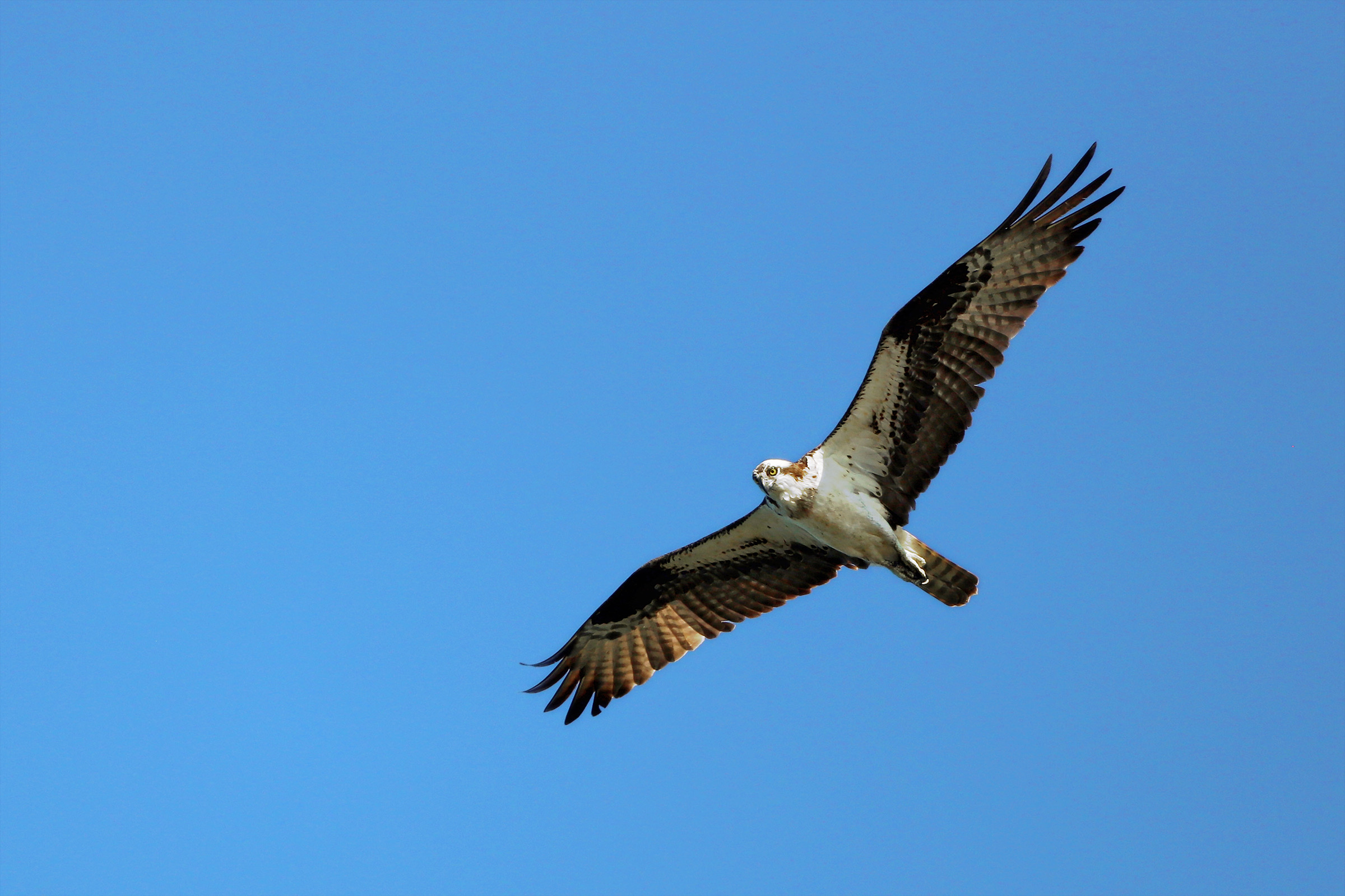
At the same time, the report offers hope. Connecticut has already seen dramatic turnarounds when communities take action: the recovery of the Osprey, the return of the Piping Plover, and the statewide rebound of the Eastern Wild Turkey all show that local decisions can change the trajectory of decline. The data make one point unmistakably clear: bird populations recover when habitat is protected, restored, and connected.
The report highlights several urgent trends:
- Forest birds are among the most threatened. Species like the Wood Thrush and Scarlet Tanager require large, unbroken forest blocks. As forests become fragmented, these birds lose the protected interior habitat they need to breed.
- Meadow and shrubland birds are also in trouble. Bobolinks, Prairie Warblers, Field Sparrows, and others depend on early-successional habitat—now one of Connecticut’s scarcest landscape types.
- Insects and clean water matter. Healthy insect populations depend on clean headwaters and intact riparian corridors. Without abundant insects, young birds cannot survive.
- “Edge effects” make everything harder. Light pollution, outdoor cats, window strikes, pesticides, and invasive plants all intensify along habitat edges — shrinking the amount of truly usable forest and meadow space.
Across the state, birds are not only losing acreage; they are losing distance from the edge.
What This Means For Woodbridge
Woodbridge remains one of the most heavily forested communities in southern Connecticut, with unusually high ecological value due to its headwater streams, connected forest blocks, wetlands, vernal pools, and emerging meadows. This landscape gives the town a rare opportunity: by protecting its remaining large habitats and limiting new edge pressures, Woodbridge can directly contribute to statewide bird recovery.
A Path Forward
The State of the Birds report, as well as other studies, point to practical, local steps that make a measurable difference:
- preserving large, connected open spaces
- maintaining healthy stream buffers
- reducing outdoor lighting
- supporting native vegetation and removing invasives
- protecting meadows through delayed mowing
- reducing window collisions and outdoor-cat predation
These actions, taken across neighborhoods and town-owned lands, collectively strengthen habitat for the species most at risk.
Shaping Our Future
The science is clear: local conservation works, and Woodbridge is positioned to lead by example. By protecting our forests, meadows, and headwaters — and by managing town and neighborhood landscapes with birds in mind — we can become part of Connecticut’s next conservation success story.
Just as the Wild Turkey returned through decades of consistent stewardship, the birds now in decline can recover too. The choices we make today will determine whether future generations grow up hearing the Wood Thrush in spring, watching Bobolinks dance over meadows, and seeing a richer, more resilient Connecticut landscape.