Tri-Board Meeting Weighs Beecher Options, Next Steps Uncertain
Board members seek clarity on costs, grants, charter rules, and past investments
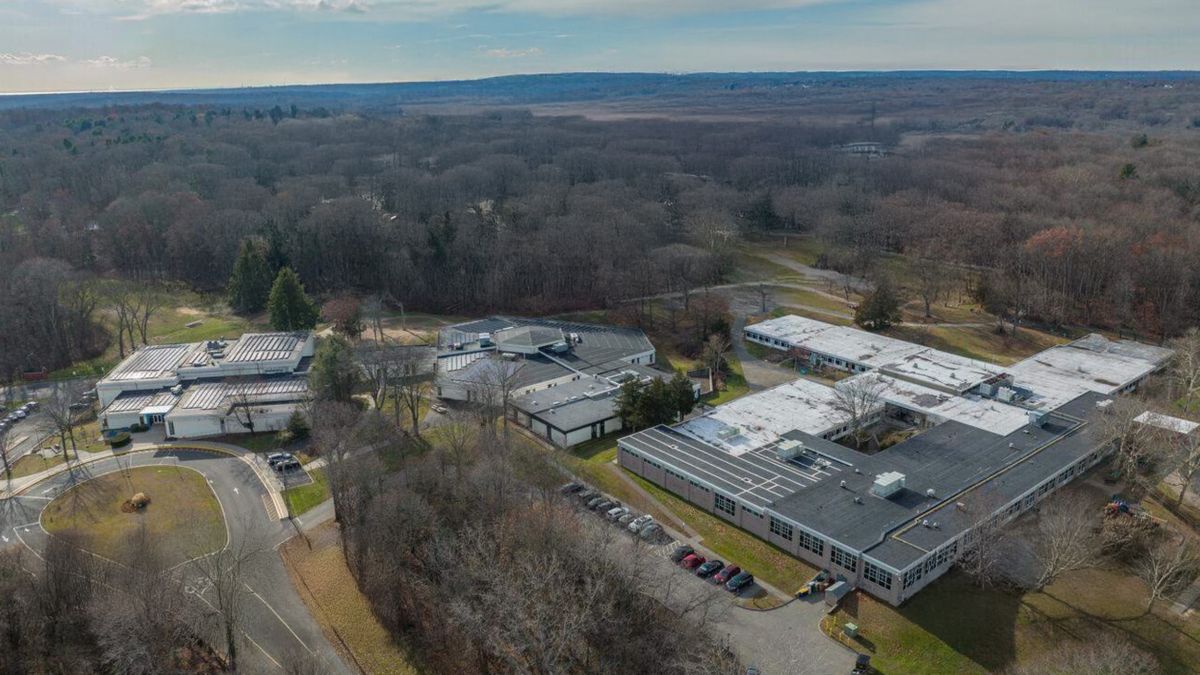
The Board of Selectmen, Board of Finance, and Woodbridge Board of Education met in joint session on September 18 to review the latest proposals for the Beecher Road School campus. The meeting, held at the Center Café and streamed live on WAGTV79, included an extensive presentation from consultants and the Building Committee. No formal action was taken.
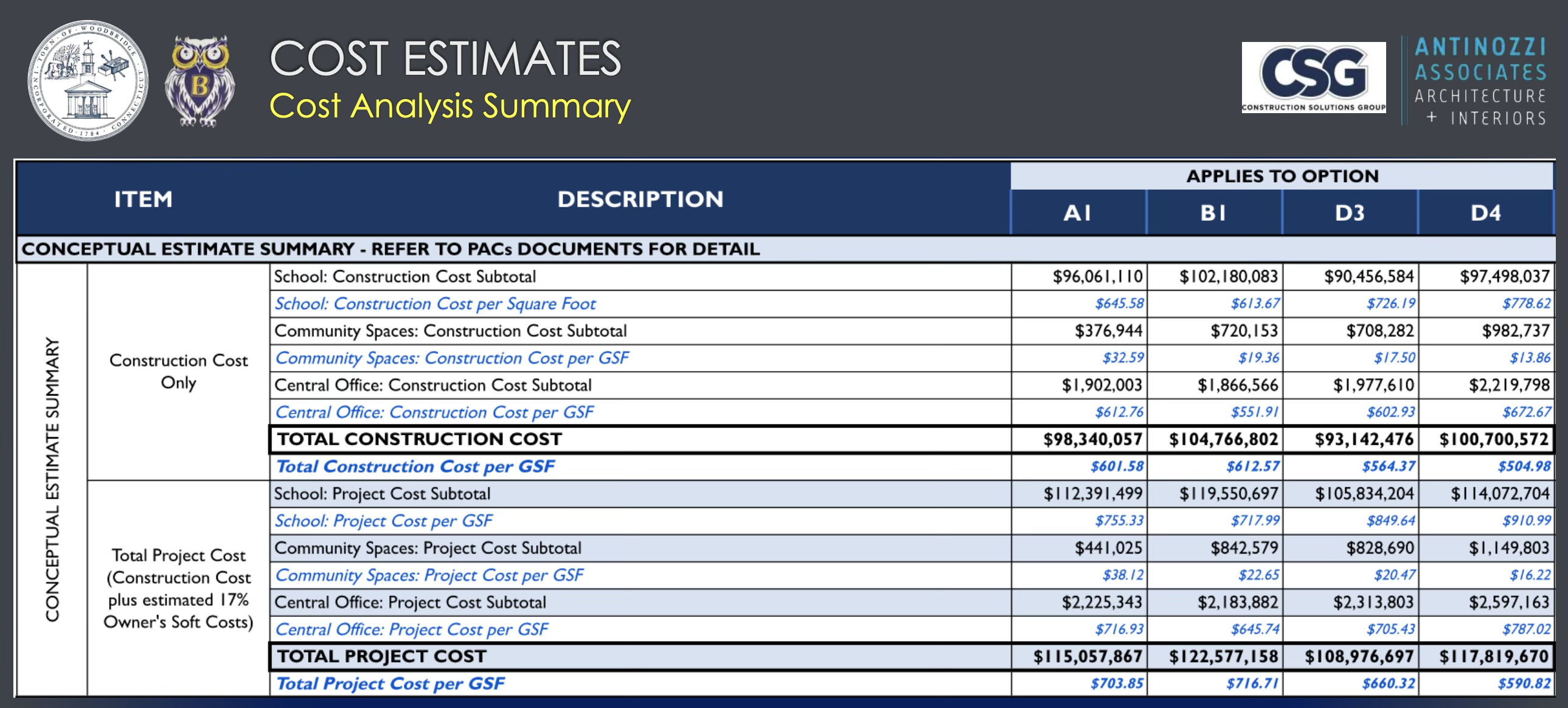
The presentation outlined four design options — ranging from renovation of the existing school to building a new facility — as well as a “repair only” scenario projected to cost $30–60 million over the next 20 years (see full presentation material on the town website). Estimated project costs for the other options ran into the $100+ million range, with potential reimbursement from the state varying depending on design choices, grant eligibility, and recently adopted legislative incentives for early childhood and special education spaces. See cost details in excerpt from the presentation, below.
Discussion Points
After the presentation of options, discussion turned toward next steps, as board members raised several important questions:
- Outstanding debt: The town still owes about $7.5 million on a prior Beecher renovation project and is scheduled to make payments on this debt through 2035. At the meeting, several questions were raised about how this existing Beecher debt — along with newly issued debt associated with last year’s roof and grounds work — should factor into the choice of any new project.
- State reimbursement and penalty uncertainty: The Building Committee is working closely with the town’s state representatives to clarify new reimbursement rules and whether penalties will apply for past reimbursed costs, from the 2015–2016 renovation and 2024 roof and grounds reimbursements, for areas of the school that might be demolished before reaching the end of useful life. They are also exploring potential waivers and new legislative incentives, including 15% bonuses for preschool and special education spaces. It was emphasized that these details must be finalized before a recommendation can be made.
- Maintenance and ADA compliance: Even without major new construction, costly repairs and accessibility upgrades may be looming. The consultants warned that continued reliance on “grandfathering” ADA exemptions may jeopardize future state reimbursements.
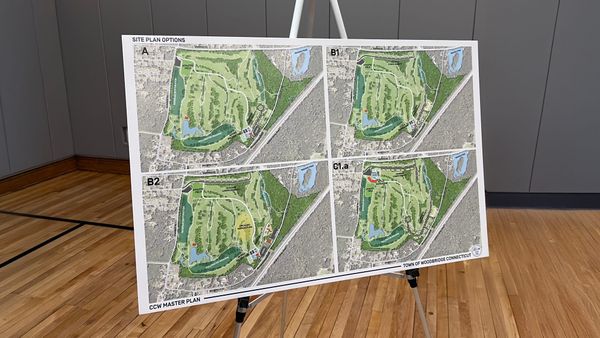
- Uncertain voter approval process: To qualify for June 2026 state grant deadlines, the town would need to settle on one option in time for a public vote of approval. Yet it remains unclear whether that vote could be by a townwide referendum. A recent legal review of the town charter, described in coverage of the CCW master plan process, found no authority for a machine-vote referendum, instead requiring approval at a Special Town Meeting with a quorum of at least 100 residents. However this interpretation if applied here would stand in tension with past practice, including the referendum to approve the 2015-2016 Beecher Renovation and the previous referendum to approve construction of the Fire House.
- Need for detailed cost estimates: Dwight Rowland — a former Selectman and Board of Finance member, and a retired construction professional who now serves in a volunteer advisory role to the BOS — attended the meeting and spoke in this capacity. He cautioned that if the town were to go out to referendum based only on conceptual estimates prepared by the current consultants, it could end up millions of dollars short once detailed design and updated pricing were in hand. In his view, Woodbridge has usually waited to present major capital projects until after hiring an architect and construction manager for the project, so the cost estimates were fully studied and reliable. Otherwise, the town risks returning a year later with much higher costs, forcing scope reductions or even a second referendum. While consultants suggested a vote could be held sooner, Rowland argued that substantially more pre-design work— and additional consultant costs — will be necessary before the town can responsibly bring a project to voters in any format.
Previous Beecher Renovation
Another factor shaping the decision-making process discussed at the Tri-Board meeting is the legacy of the last Beecher renovation. At a prior Tri-Board session earlier this year (watch the recording of this meeting on YouTube), consultants appeared unfamiliar with details of the 2015–2016 renovation. They have since reviewed those records and factored them into their new work. The 2015-2016 Beecher Renovation project was a decade-long effort to modernize heating, ventilation, lighting, and security systems at a cost of $13.3 million, approved by voters in a 2014 referendum. Planned during the aftermath of the Sandy Hook tragedy, the project fully incorporated updated state guidelines on school safety and security, including roughly $1 million in security enhancements (see 2103 Beecher Renovation presentation for full project details). With bonding still being paid off through 2035, the town now faces the prospect of scrapping and replacing portions of the work completed less than ten years ago — improvements that voters were told at the time of the referendum were projected to last at least 20 years (watch Renovation Presentation video, below).
The ADA compliance question added another layer of discussion at Thursday’s Tri-Board meeting. During the 2015–2016 renovation — and in earlier upgrades as well as the most recent roofing and grounds project approved in January 2024 — the state accepted Beecher’s many ramps, restrooms, and other code compliance details under grandfathered exemptions, allowing the town to modernize systems without a wholesale overhaul of accessibility. Moving forward, the new proposals appear to assume abandoning those allowances and voluntarily undertaking extensive ADA retrofits at substantial cost. As a result, the consultant estimates presented at the Tri-Board meeting last week appear to build such upgrades into the future maintenance projected baseline cost. Further clarification of this and other cost assumptions will be needed as the process advances.
Consideration of Costs
Several board members also raised broader concerns about how a school project of this magnitude fits alongside other capital priorities, including necessary renovation of other municipal facilities — most notably the long-sought Police Station renovation or possible new construction. At a prior Board of Selectmen meeting, the town’s Administrative Officer and Director of Finance noted that he would be preparing detailed information on these competing needs for presentation at a future BOS meeting toward the end of the calendar year.
The Building Committee will continue its work with consultants and the town’s state delegation to refine estimates, clarify reimbursement options, and prepare a recommendation for the three boards to act upon. However, exactly when and how residents will have the final say — by referendum or by Town Meeting — remains an open question.
Editor’s note: This recap is written by Sheila McCreven in her role as editor of the Chronicle. Sheila is also an elected member of the Board of Selectmen (her term ends December 31, 2025). See the Editorial Note on Government Coverage on our About page to learn more.