Lake Chamberlain: Nature, History, and a Vital Resource
An essay and photo gallery from a recent visit to this RWA property
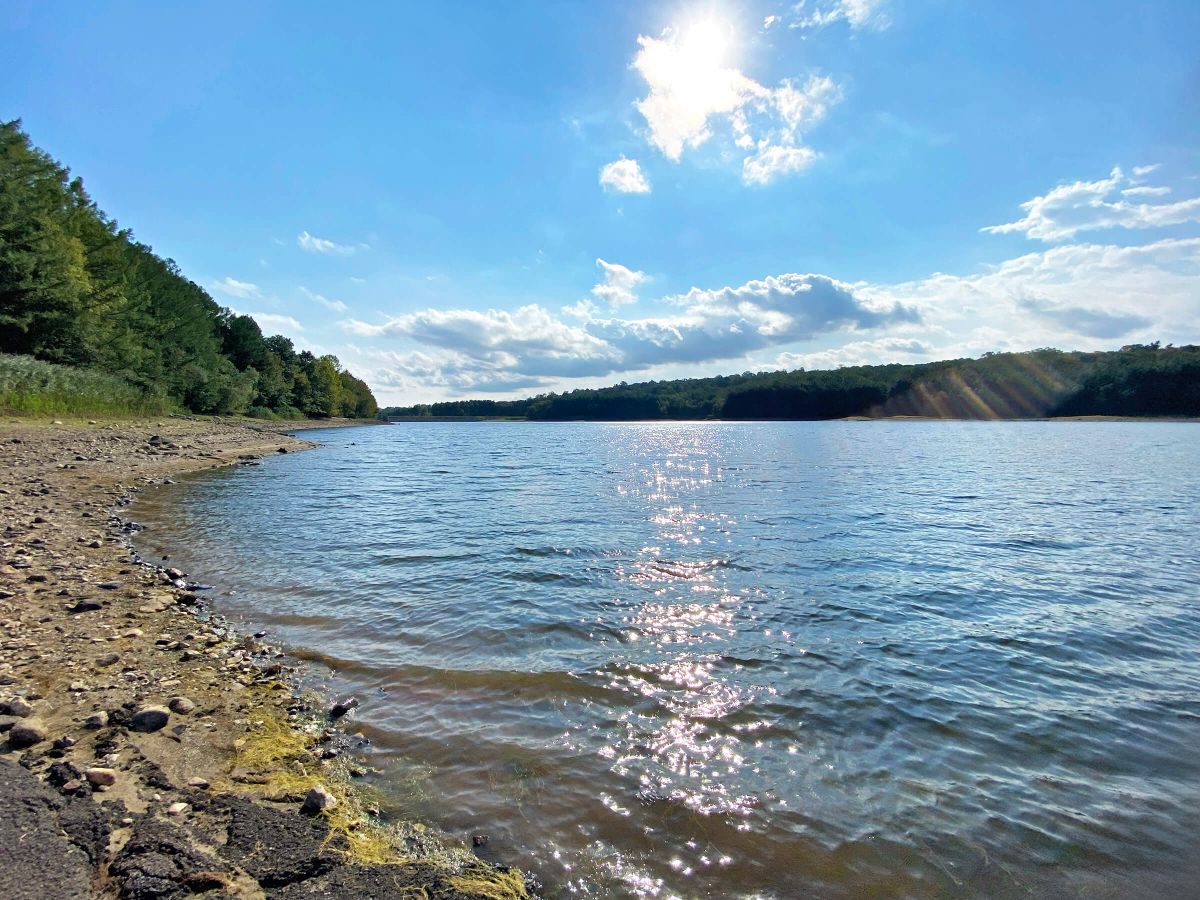
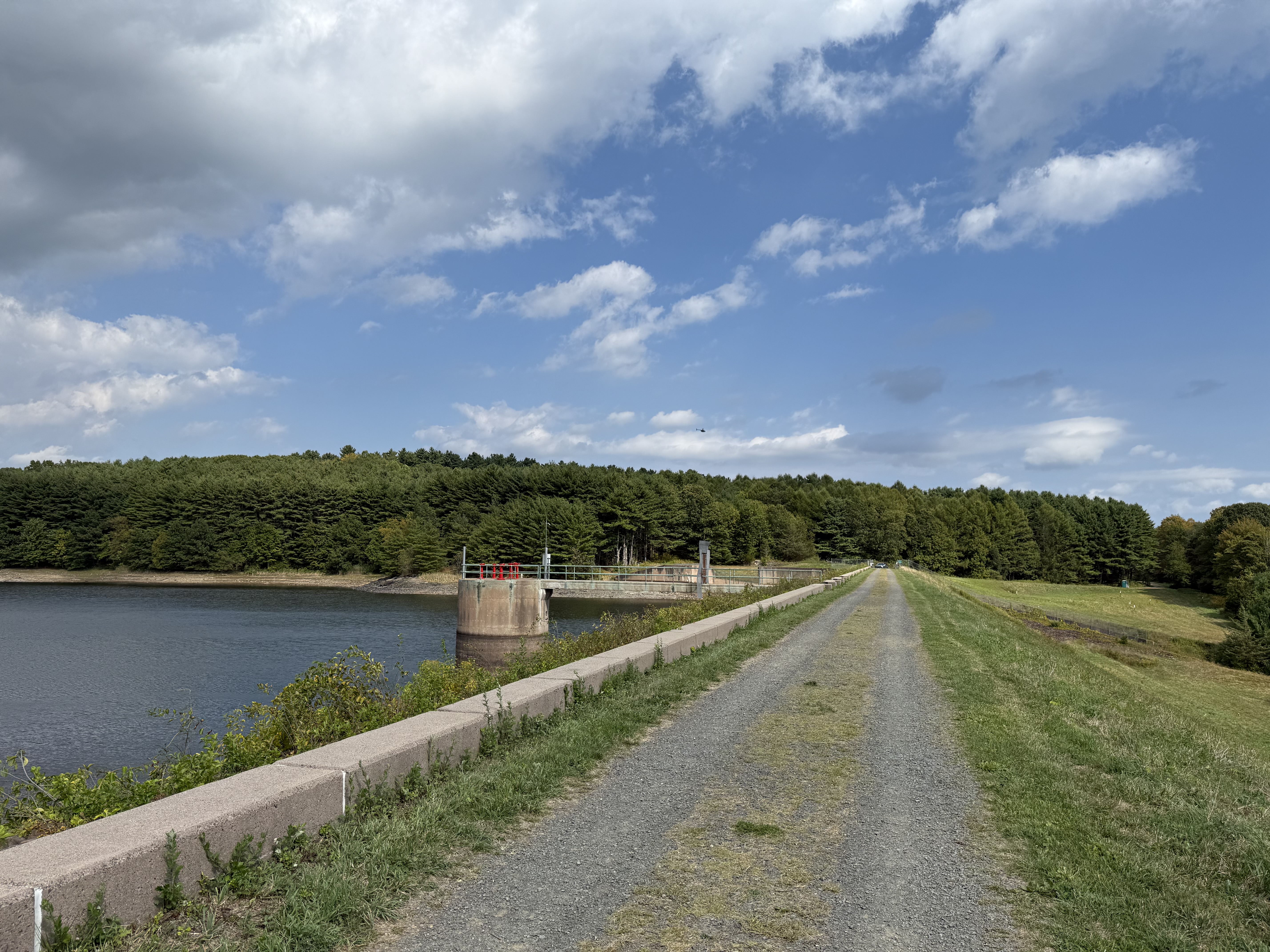
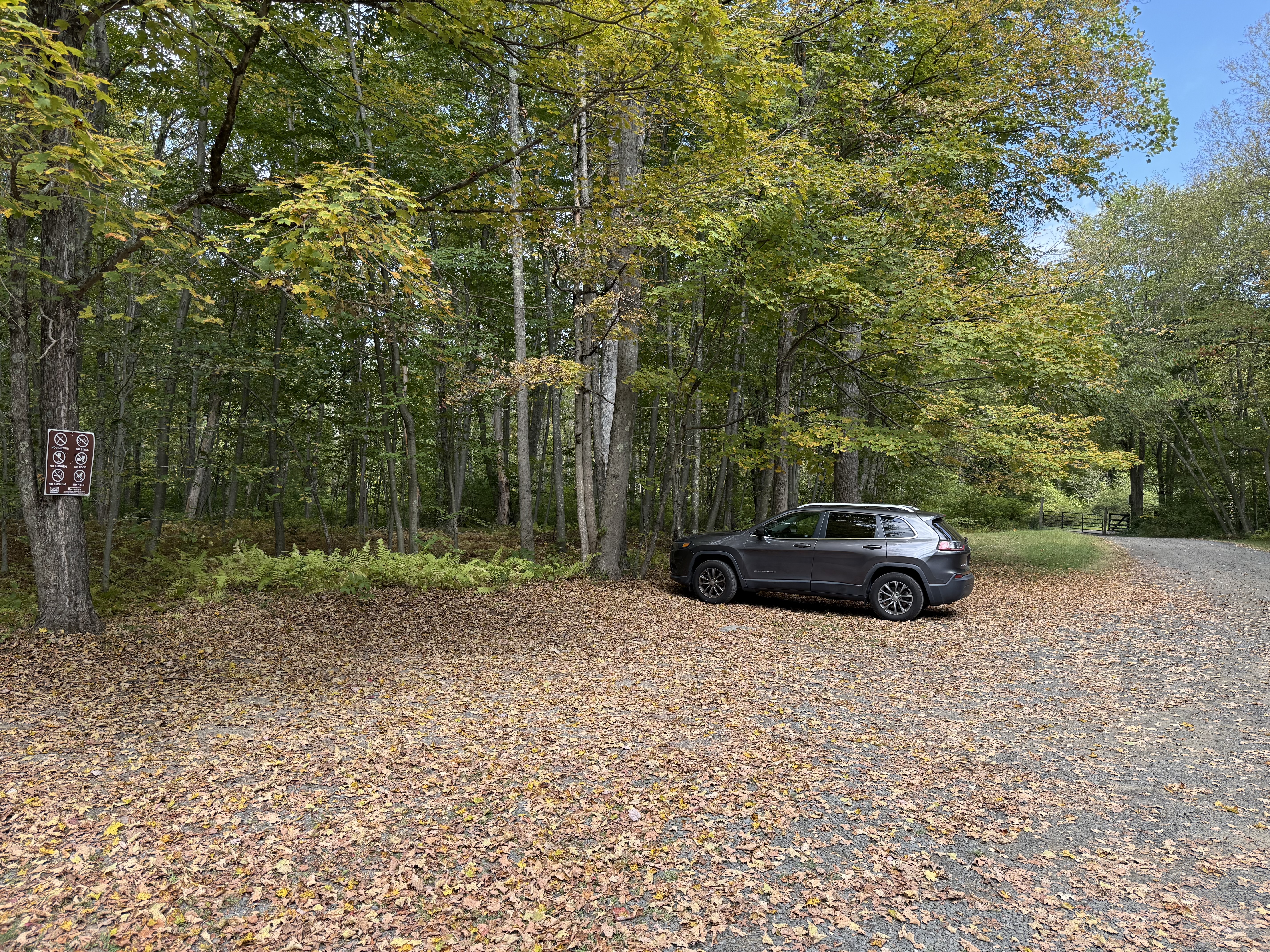
Halfway across the dam at Lake Chamberlain on a September afternoon, I noticed an SUV making its way slowly behind me. Motorized vehicles aren’t usually seen here, so I assumed it belonged to the Regional Water Authority. Sure enough, a police officer pulled alongside and asked for my permit. Luckily, I had just renewed it that morning. Encounters like this are a reminder that Lake Chamberlain isn’t just a beautiful escape into nature—it’s also one of our area’s most carefully protected water sources.
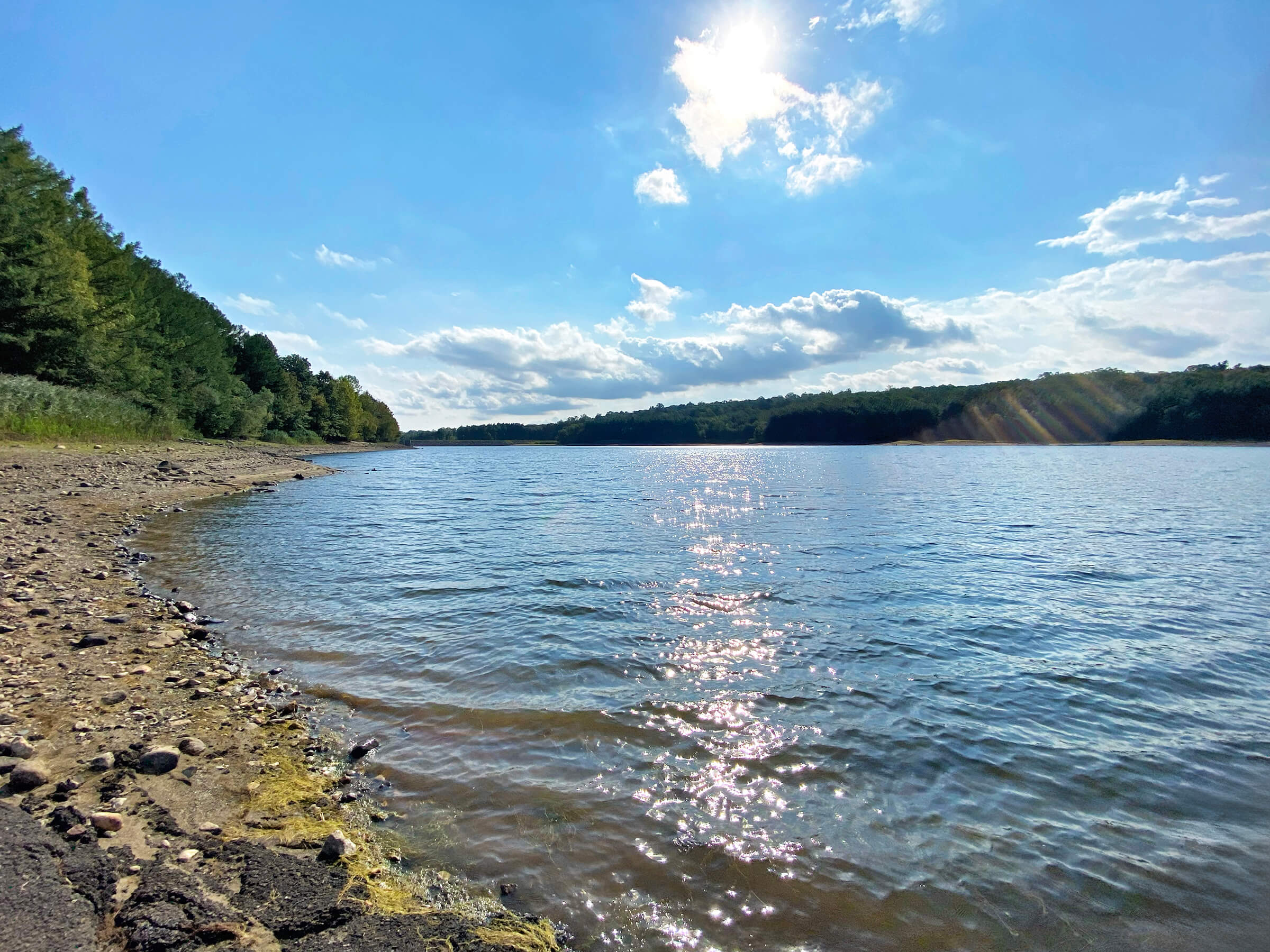
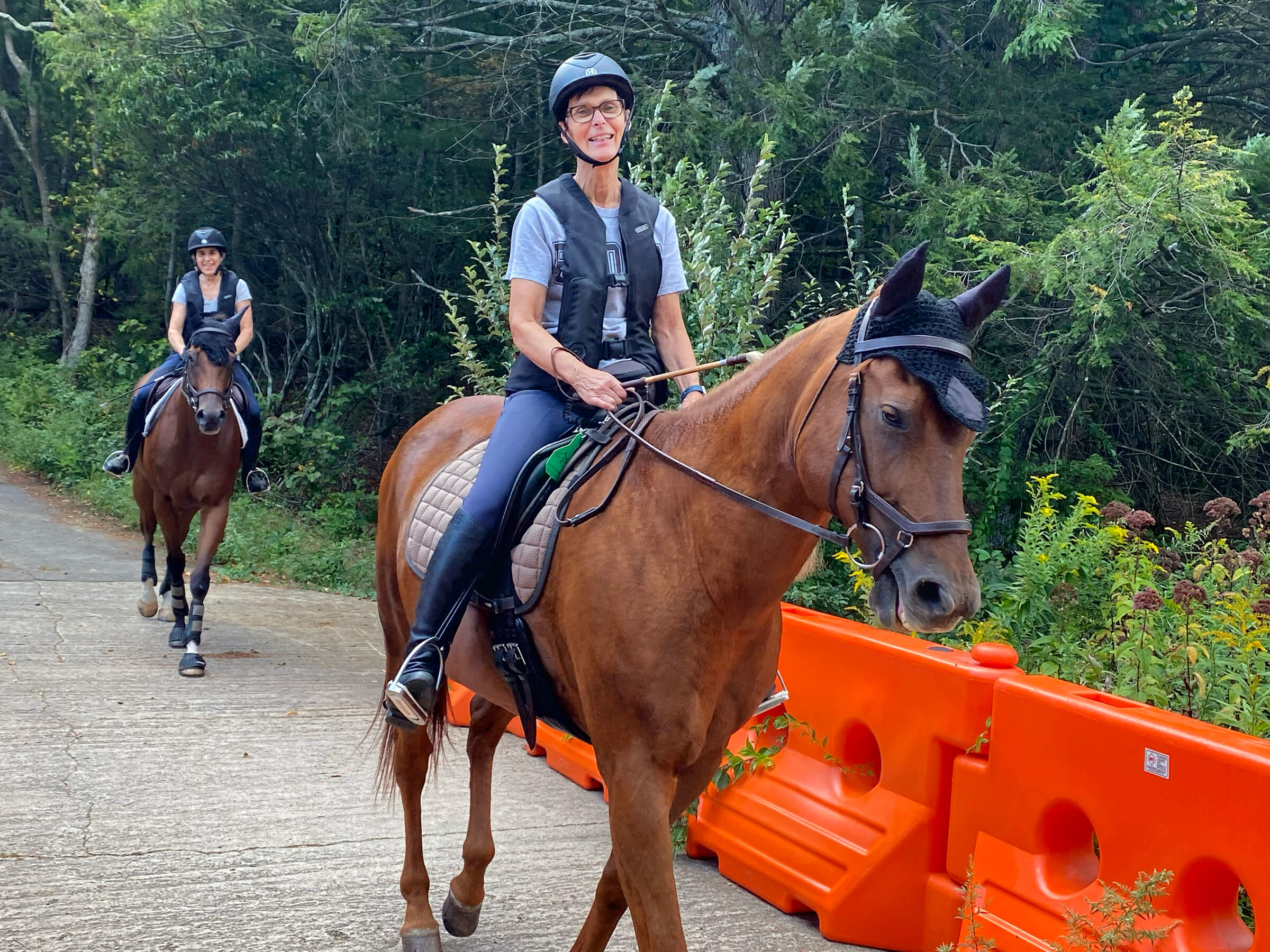
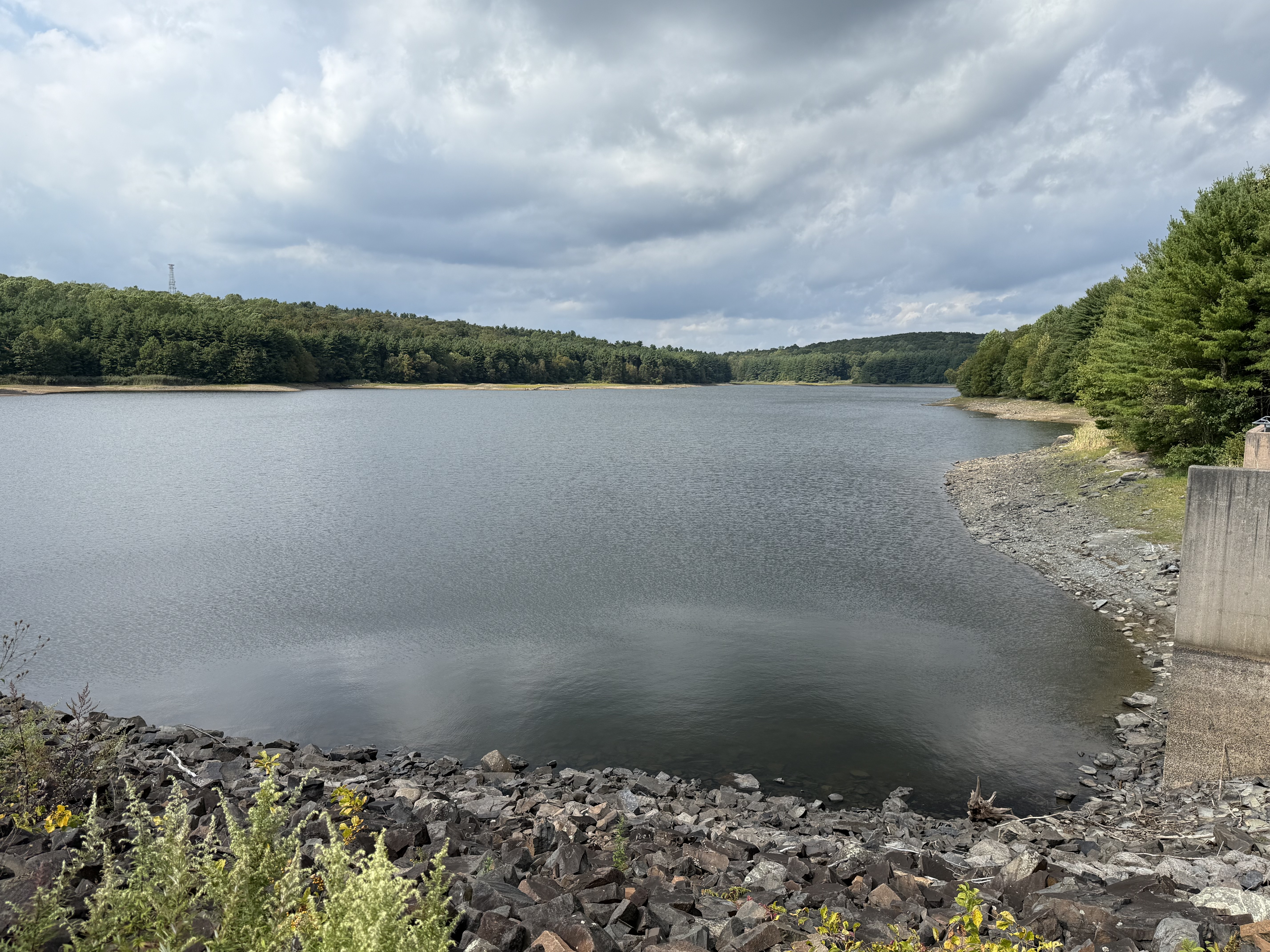
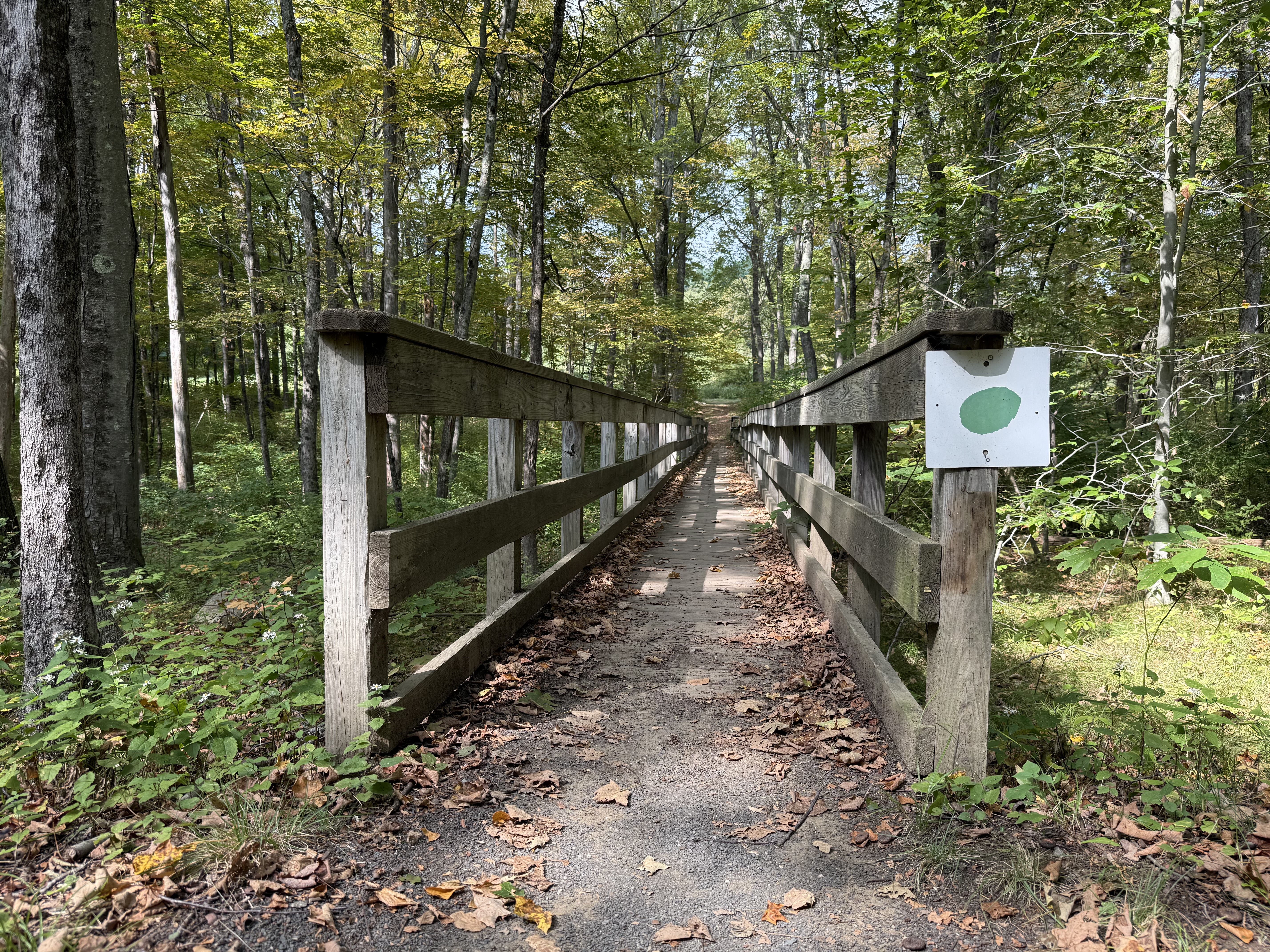
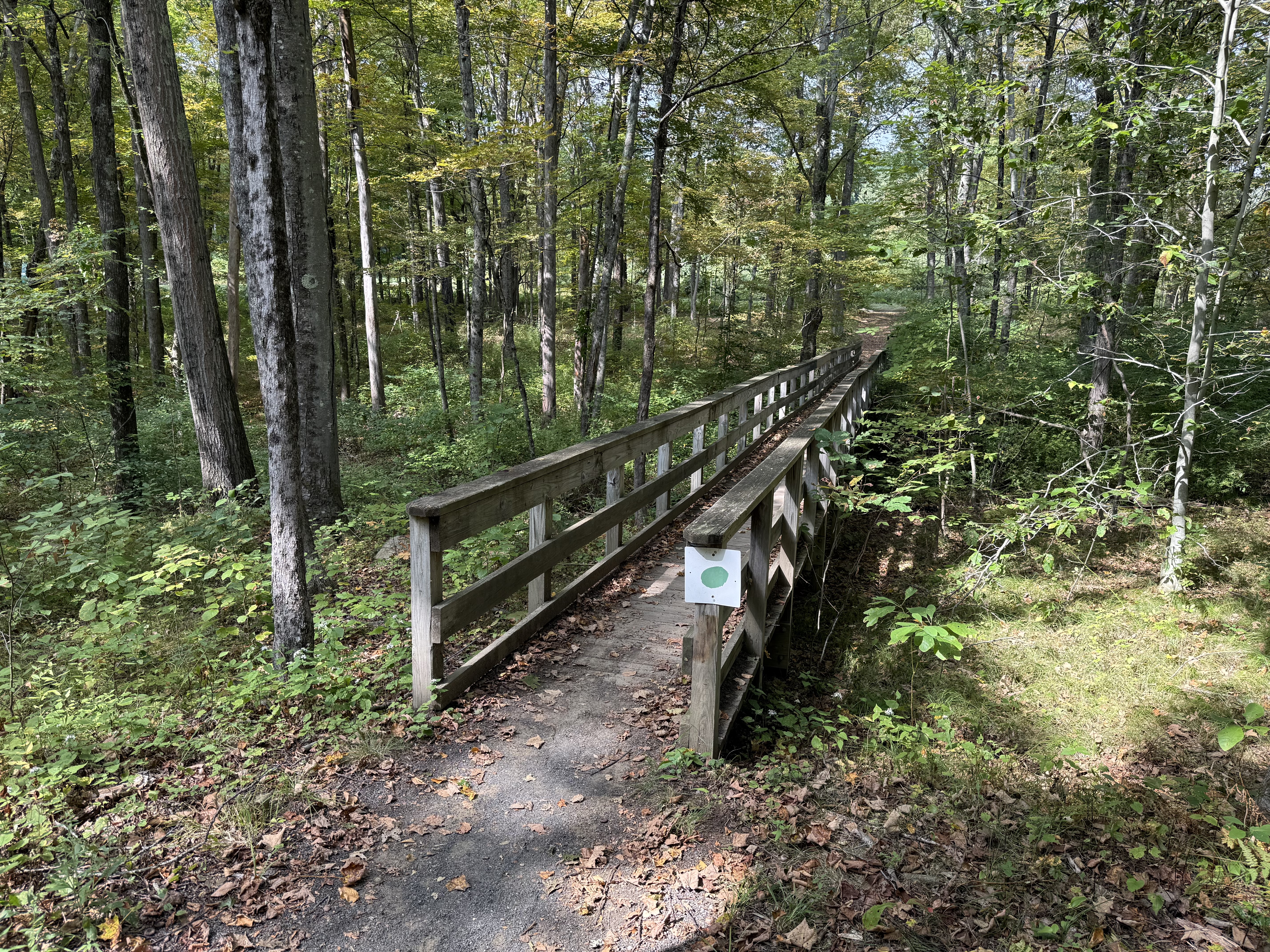
The lake offers opportunities for hiking and fishing, is a haven for birding, and from time to time, horseback riders can be seen threading quietly through the woods. On my walk that day, the leaves had not yet begun to turn, but the air carried a hint of the season ahead. I’ll return in the coming weeks to see the reservoir framed in full autumn color. Along the shore, I passed two people fishing quietly, rods angled toward the water. Moments later, a flock of Canada geese descended gracefully, skimming the surface before splashing down in a perfect landing. Scenes like these highlight why Lake Chamberlain is cherished by the community it serves.
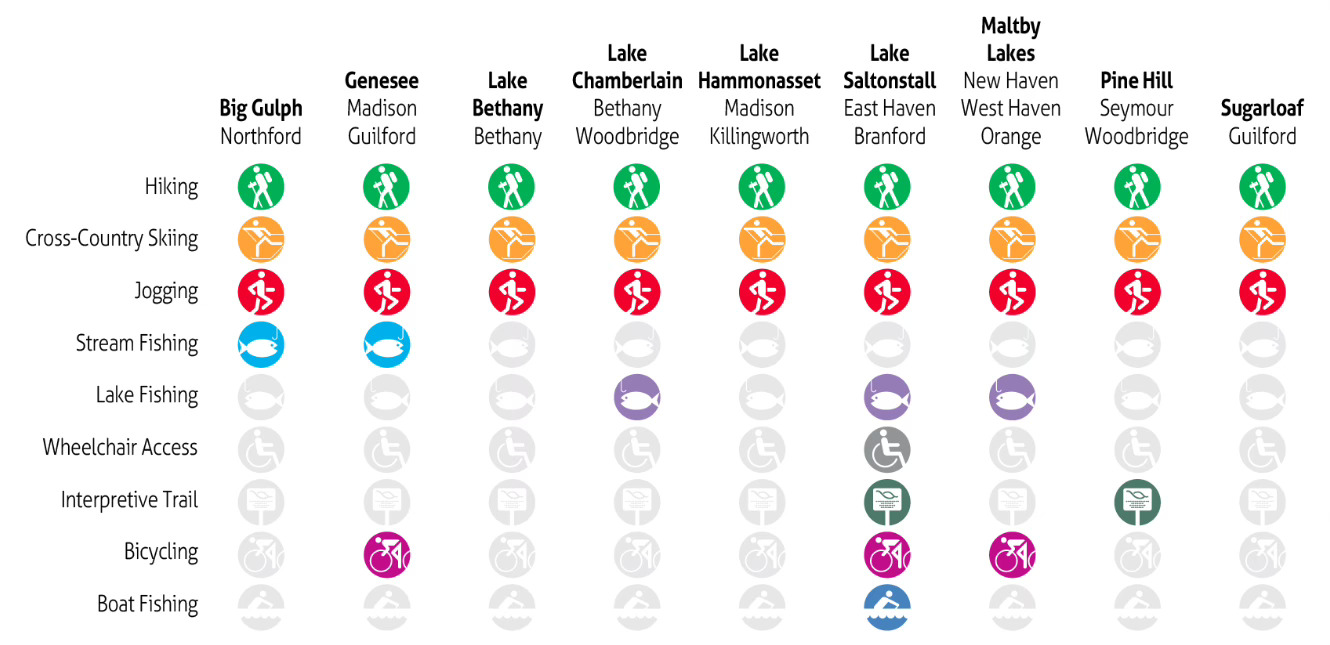
Access and Trails
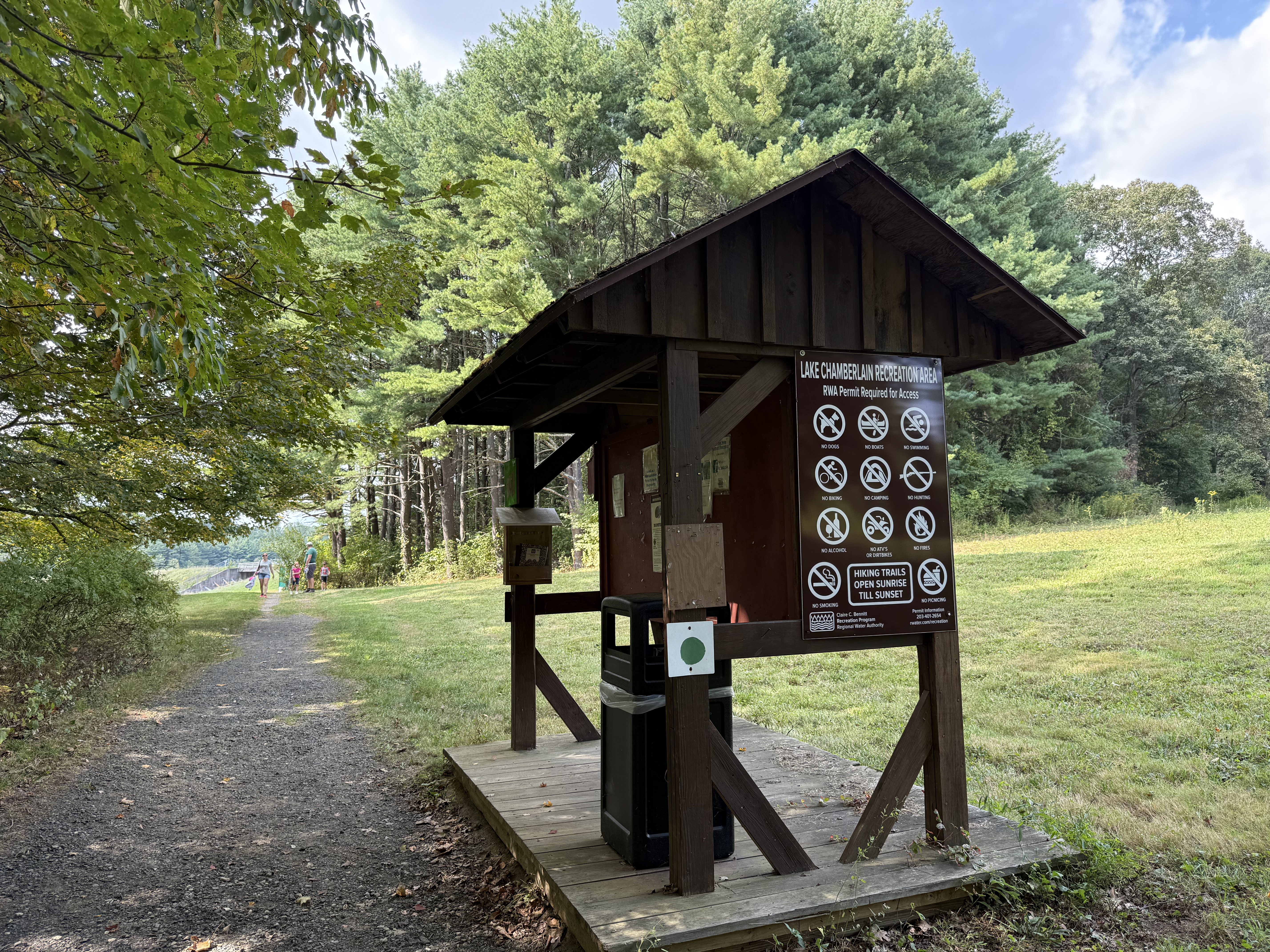
Lake Chamberlain, like all South Central Connecticut Regional Water Authority (RWA) properties, is accessed by the public by permit-only. The fee is modest and covers access to nine area lakes and waterways, but enforcement is strict, with RWA police regularly patrolling the grounds. It’s well worth the effort and I encourage everyone to purchase a permit by visiting the RWA website.
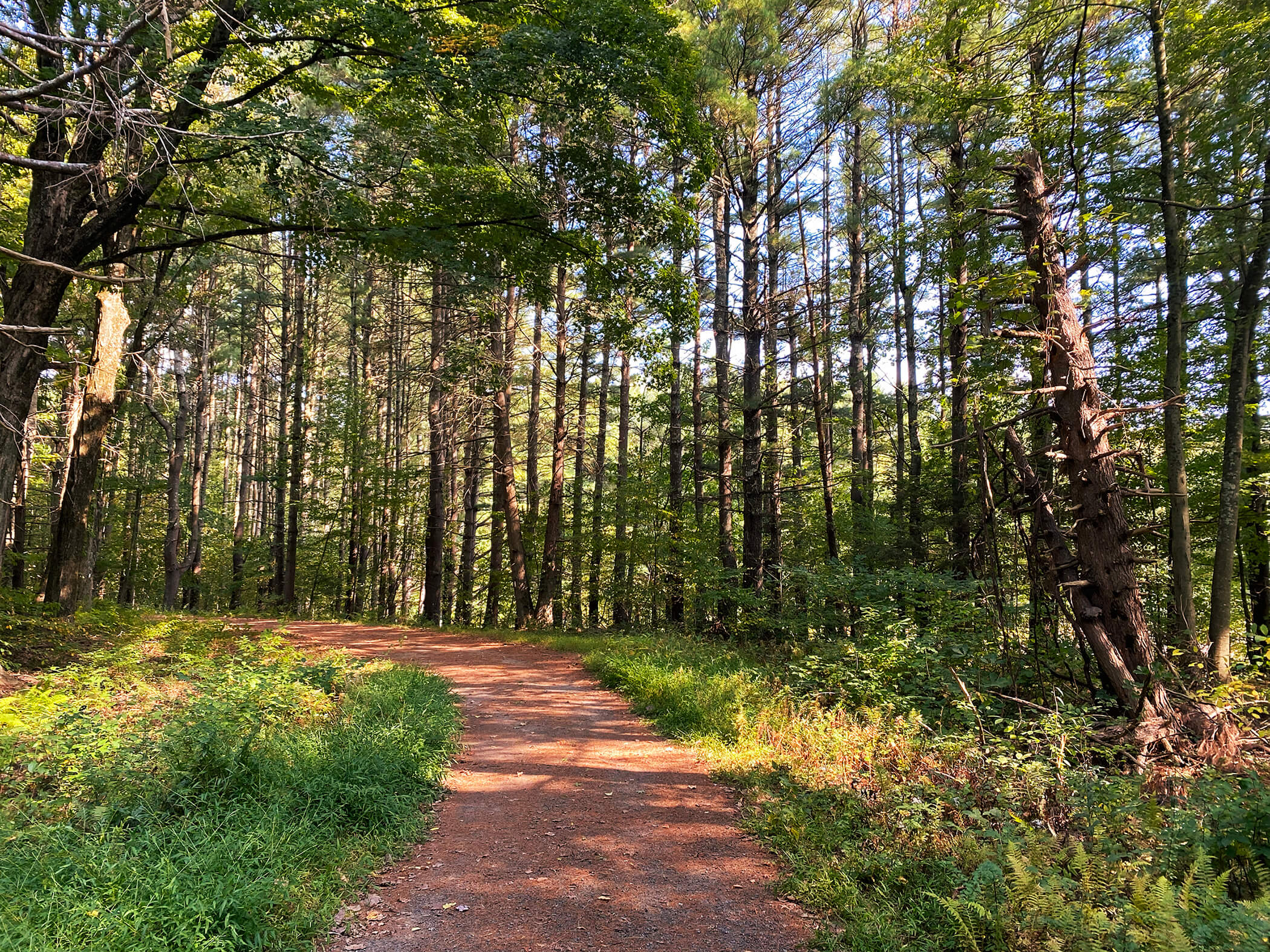
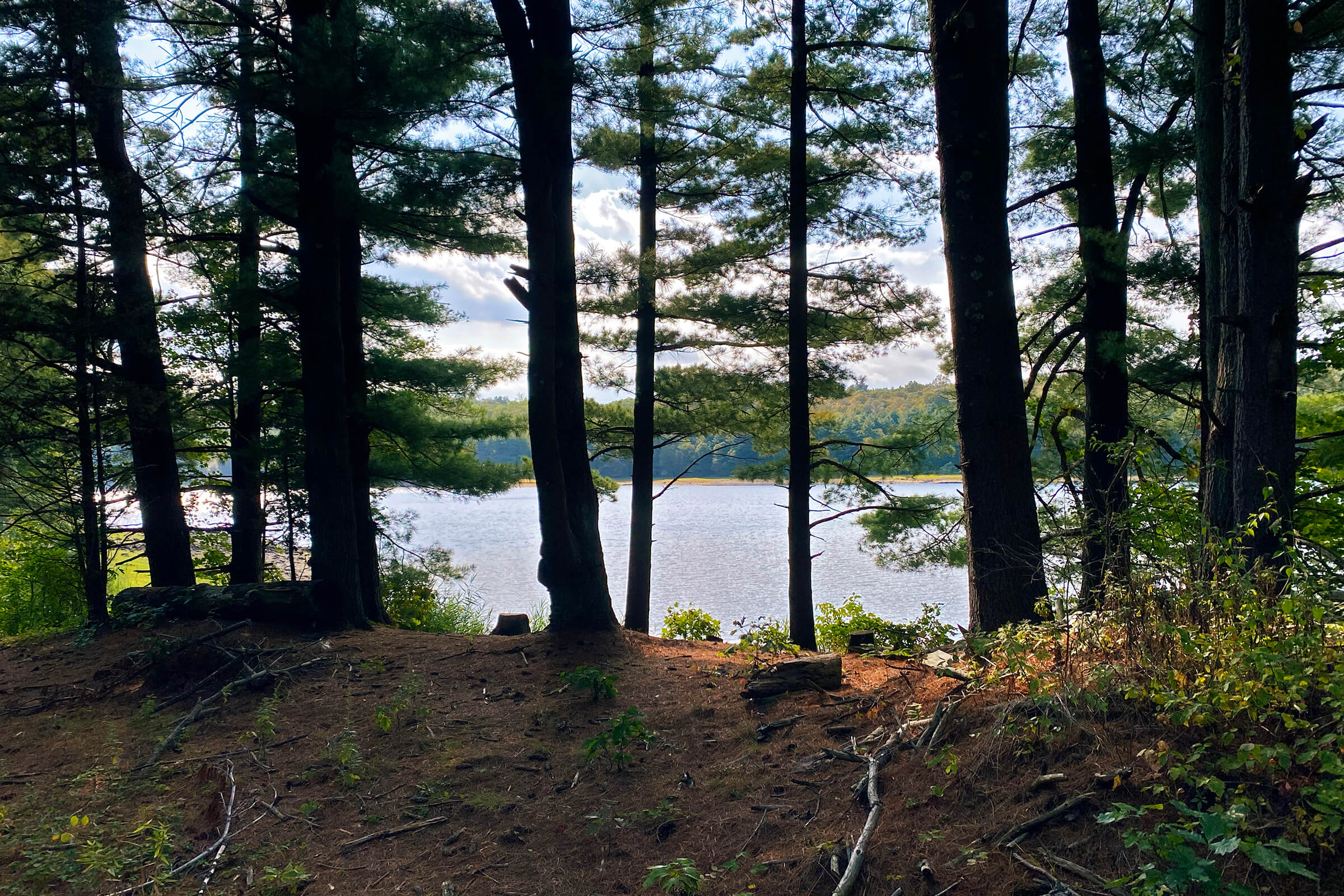
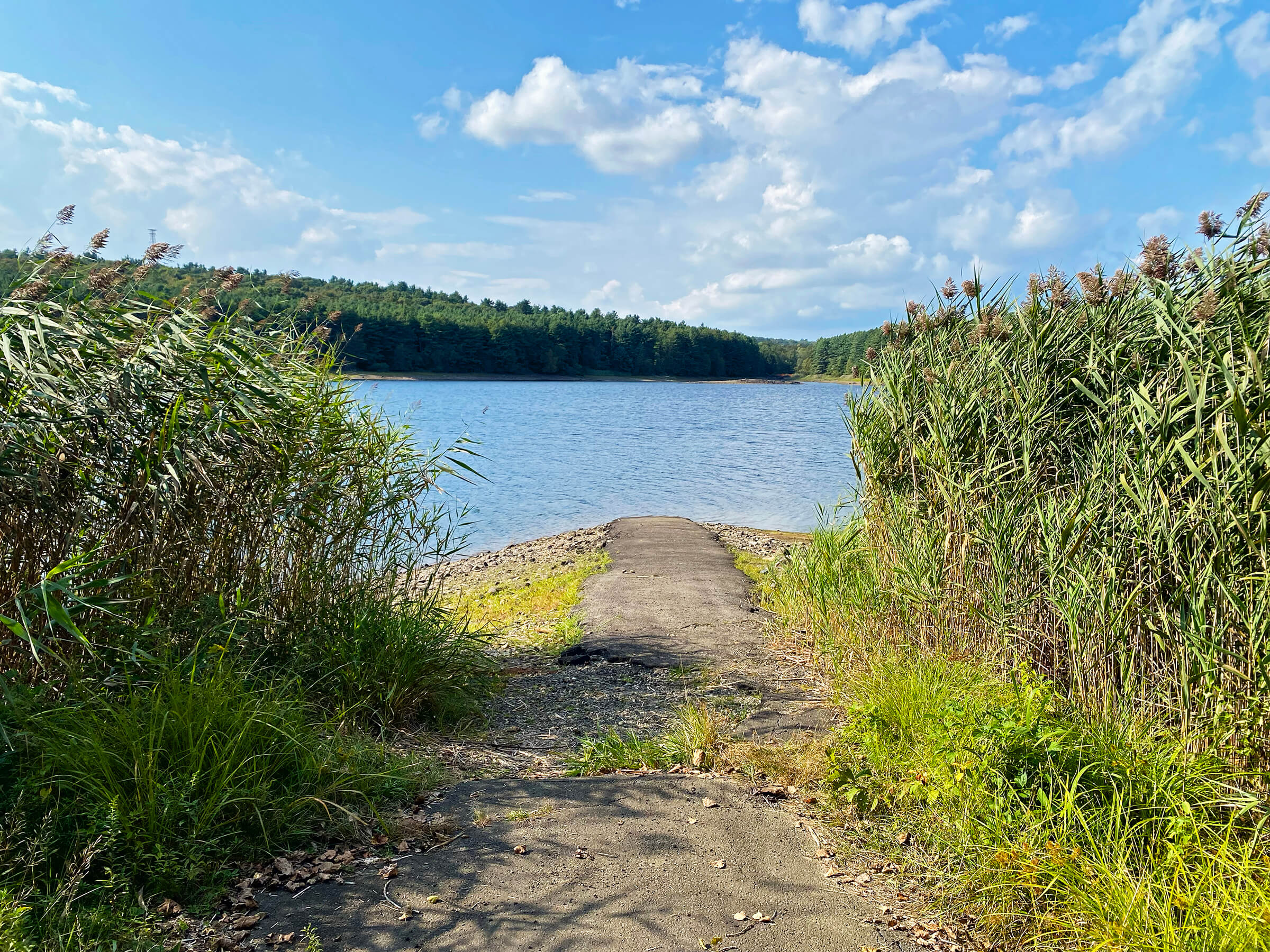
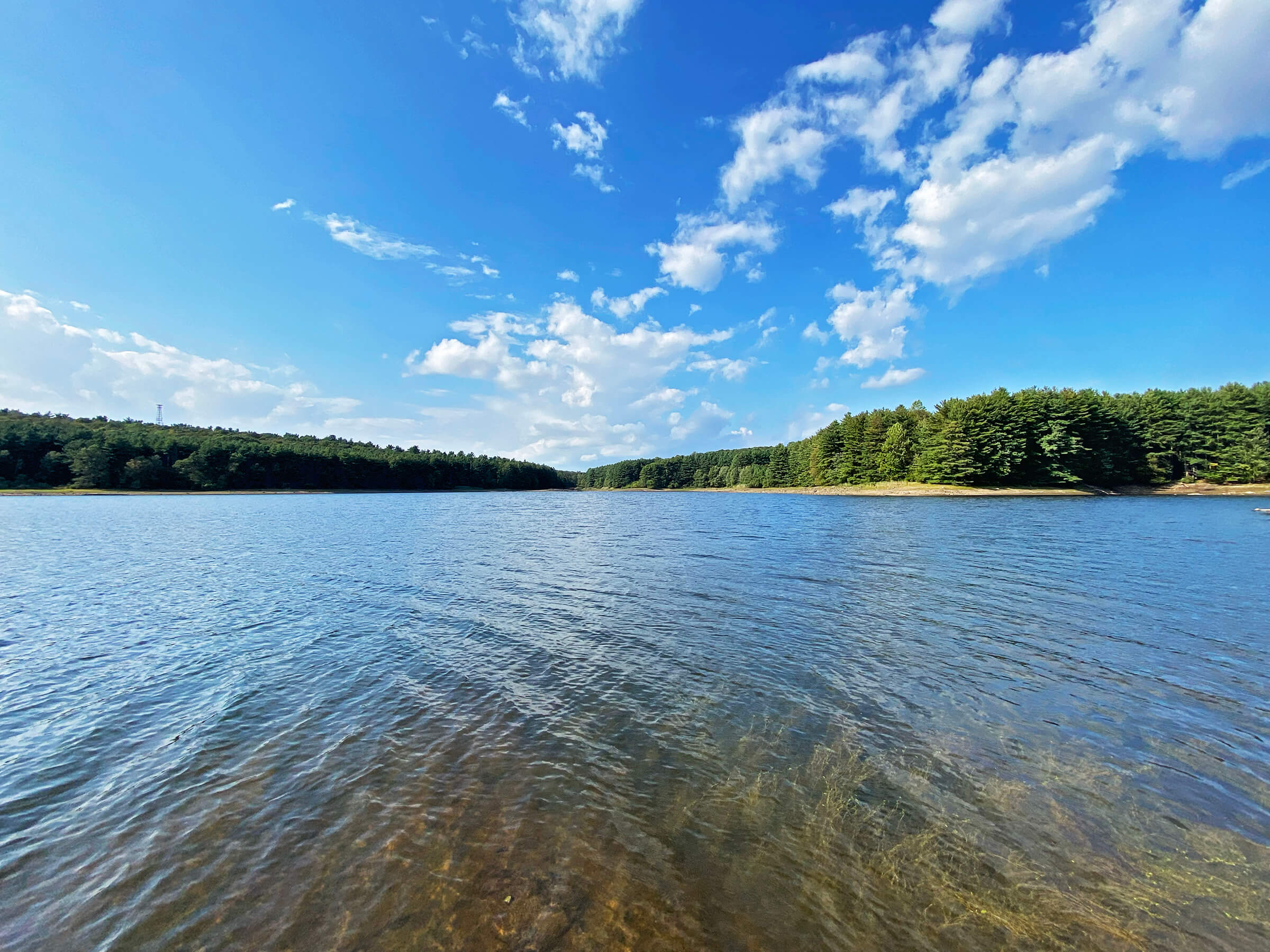
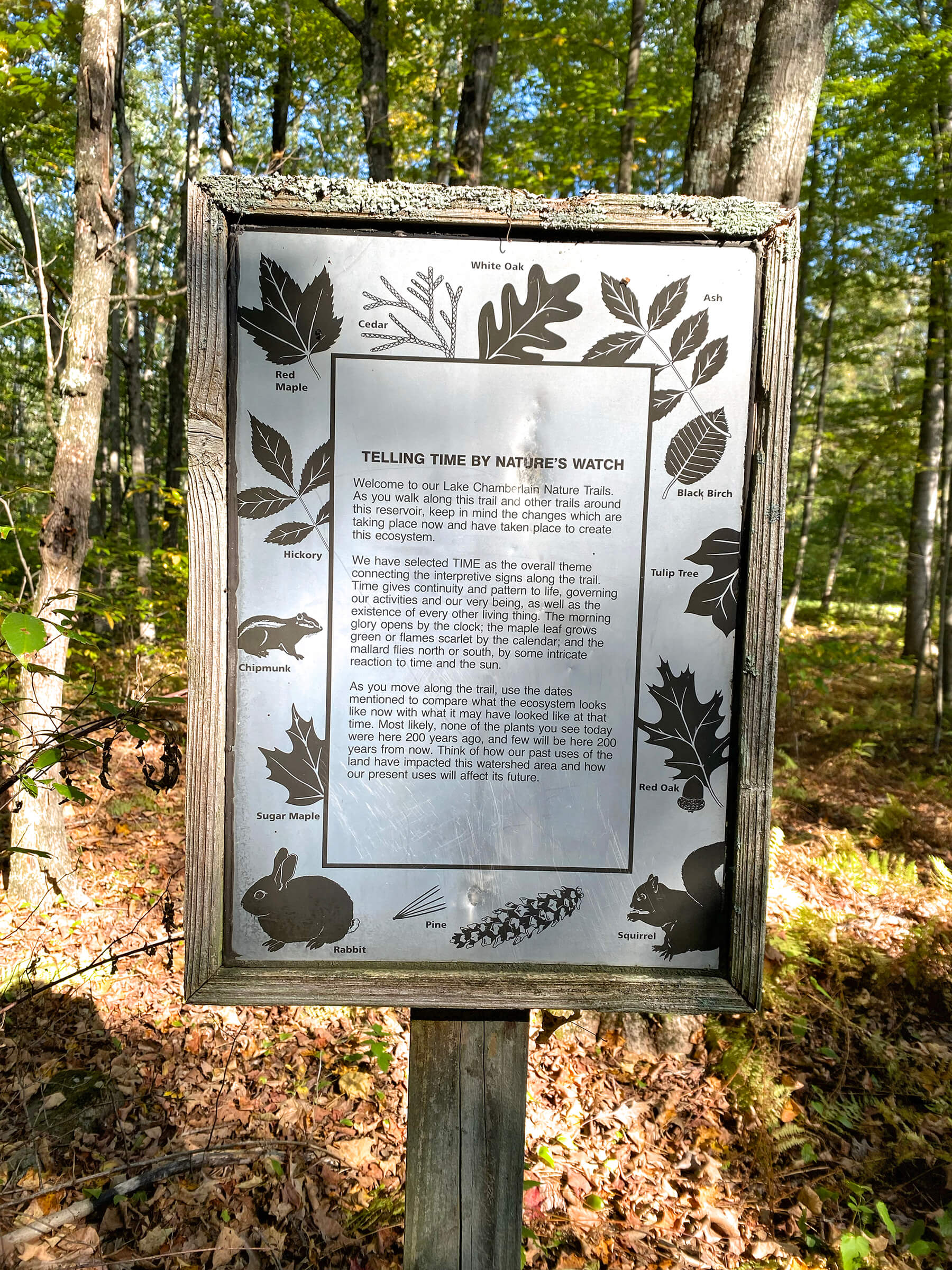
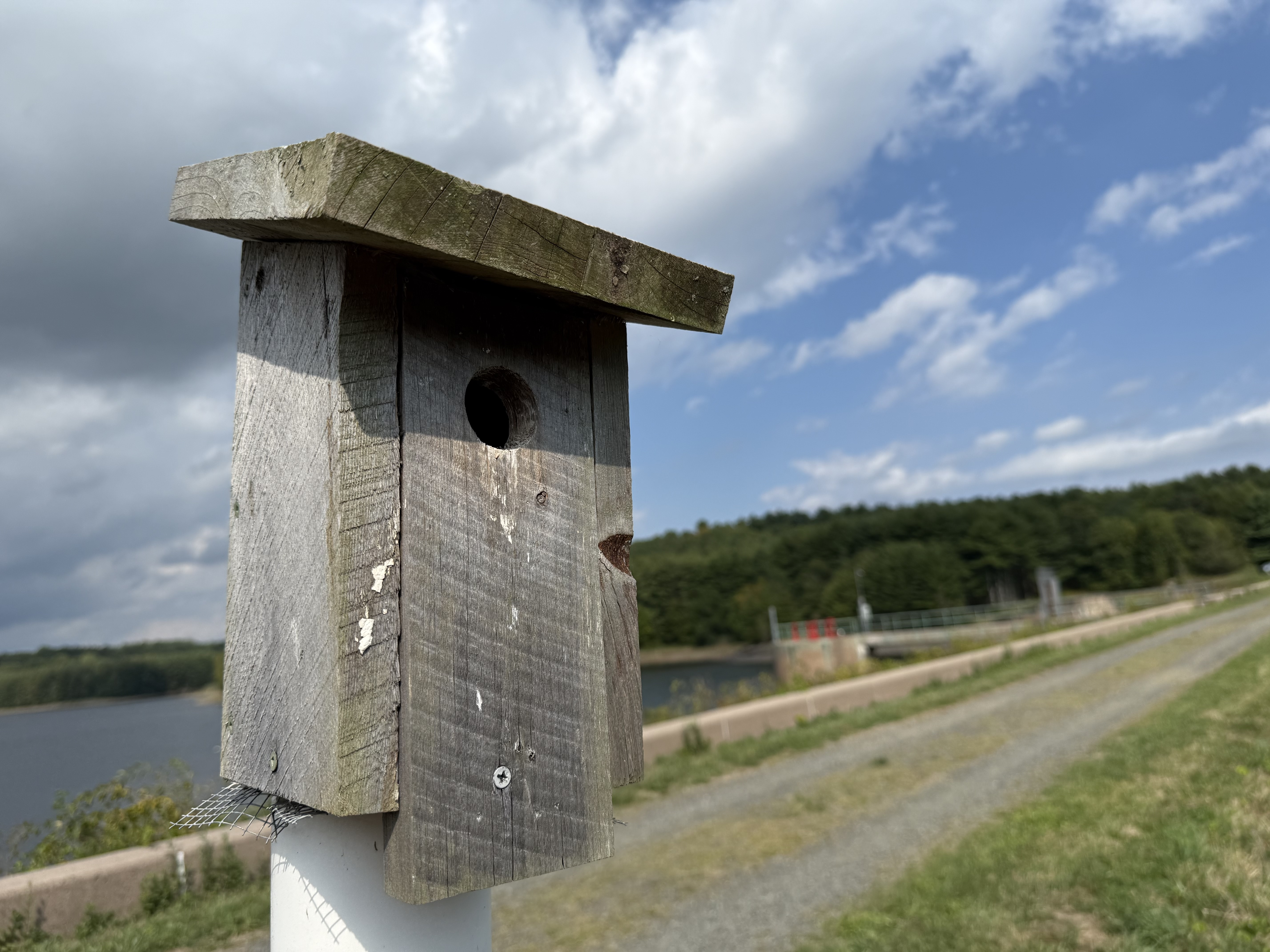
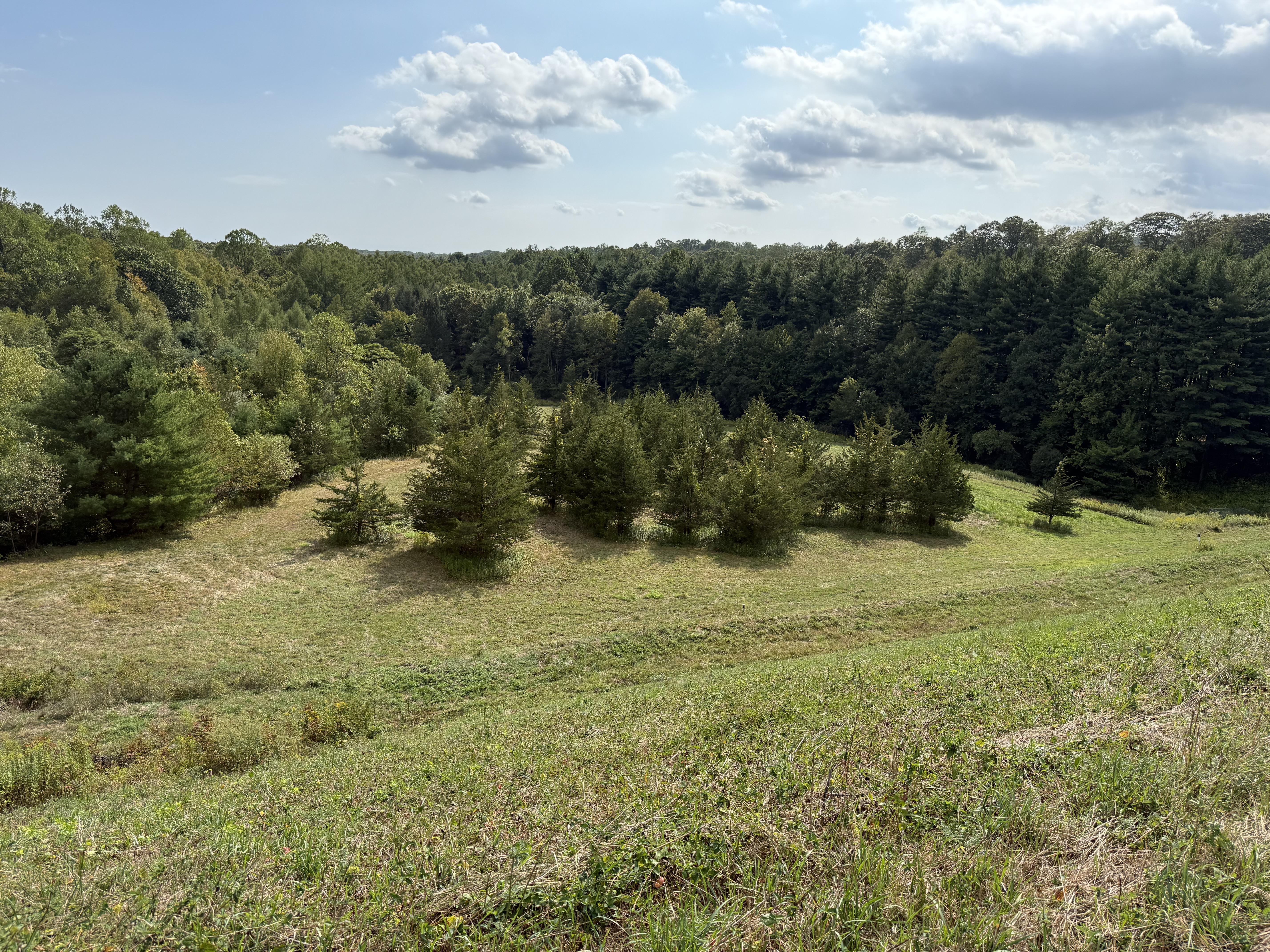
Straddling the Woodbridge and Bethany border, the main trail around the Lake Chamberlain reservoir is a 2.25-mile loop — relatively flat, well maintained, and family friendly. It winds through quiet woods and opens at points to views of the water, making it an inviting place to walk in every season. Although the lake looks ideal for swimming or boating, those activities aren’t allowed. Fishing, however, is permitted with the right license, and birding is particularly rewarding, given the variety of species drawn to its protected habitat. See my photo essay, below for some recent views of Lake Chamberlain.
A History of Water and Growth
What visitors see today as a peaceful lake is also the product of more than a century of effort to secure clean water for Greater New Haven. Before the mid-19th century, residents depended on shallow wells and rivers—sources that quickly proved unreliable as the city expanded.
In 1849, local citizens obtained a charter for the New Haven Water Company (NHWC) with the mission of providing “pure water.” Eli Whitney II was enlisted to help launch the effort, and in 1859, the company built its first major project: the Mill River dam, which created Lake Whitney.
Between 1889 and 1925, the New Haven Water Company built five reservoirs on the West and Sargent Rivers, including Lake Chamberlain in 1890. The most dramatic transformation came in 1958, when the reservoir here was expanded to more than five times its original size, giving it a capacity of 900 million gallons. This enlargement reflected the region’s postwar growth and the rising demand for clean water in New Haven’s rapidly expanding suburbs. But by the 1970s, new challenges emerged. The federal Safe Drinking Water Act of 1974 imposed costly filtration requirements, and when NHWC proposed selling watershed lands to cover expenses, the plan provoked intense public backlash.
In response, the Connecticut legislature created the South Central Connecticut Regional Water Authority (RWA) in 1977, which purchased NHWC’s assets three years later. Since then, RWA has managed Lake Chamberlain and its watershed, balancing the twin responsibilities of safeguarding drinking water and preserving natural spaces for public enjoyment.
A Living Legacy
Standing on the dam today, it’s easy to forget the fierce debates, engineering feats, and civic determination that shaped Lake Chamberlain. What began as a utilitarian project to supply clean water has become something more: a sanctuary for wildlife, a trail for walkers, a quiet place for reflection, and a vital resource for the region.
As the seasons change and the trees surrounding the reservoir blaze into fall color, Lake Chamberlain continues to remind us of the enduring connection between people, water, and the landscapes we depend on.
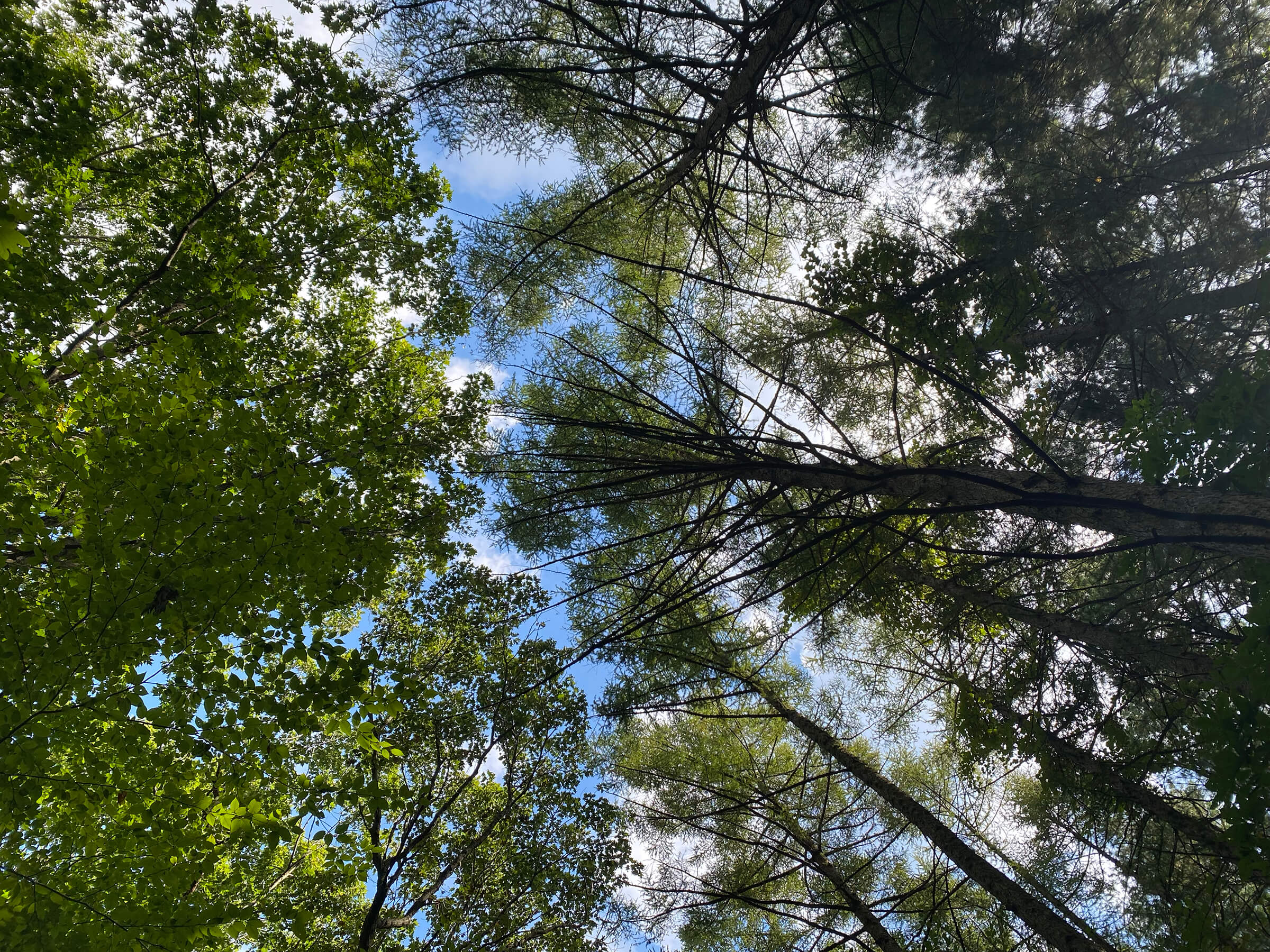
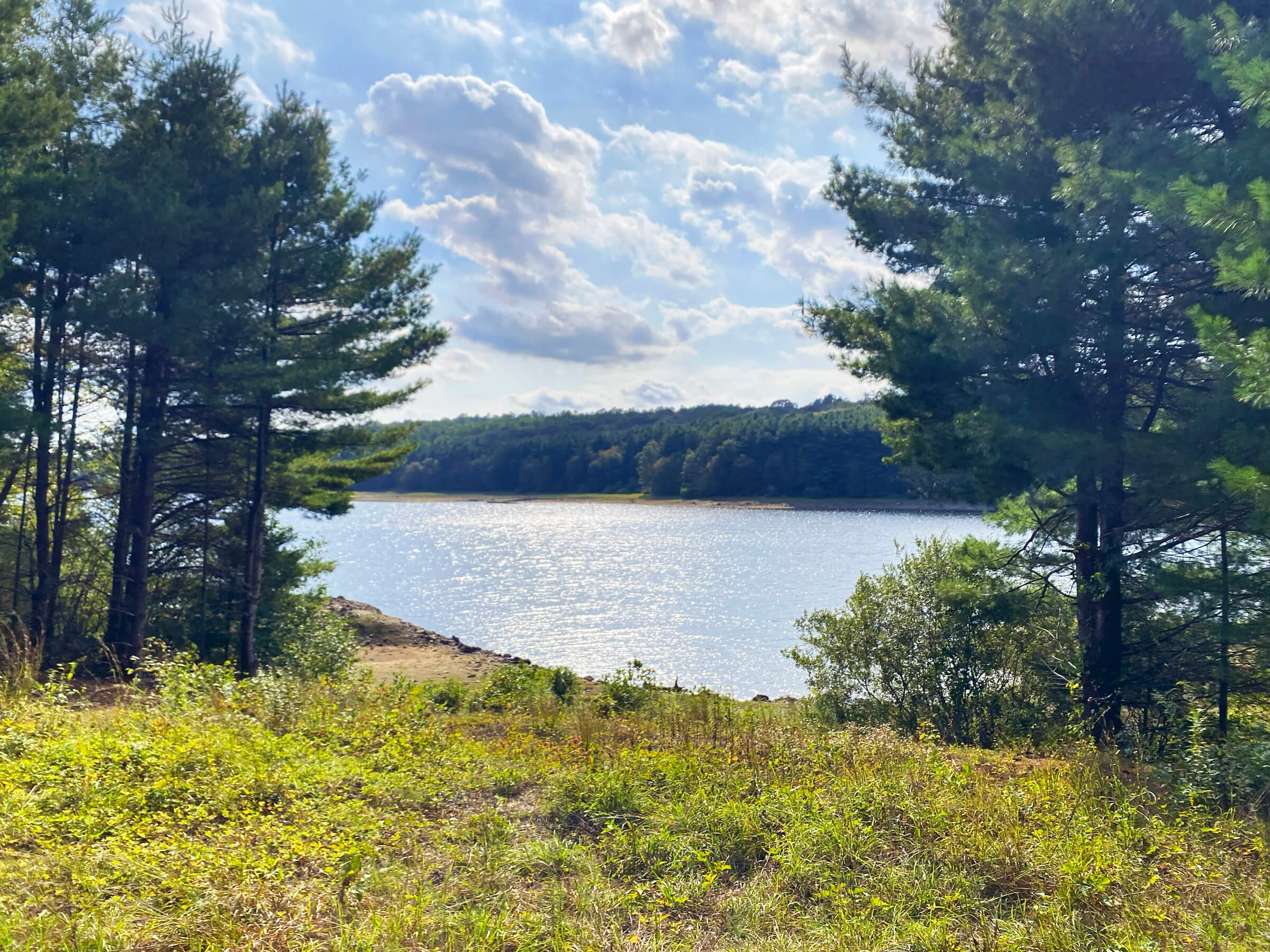
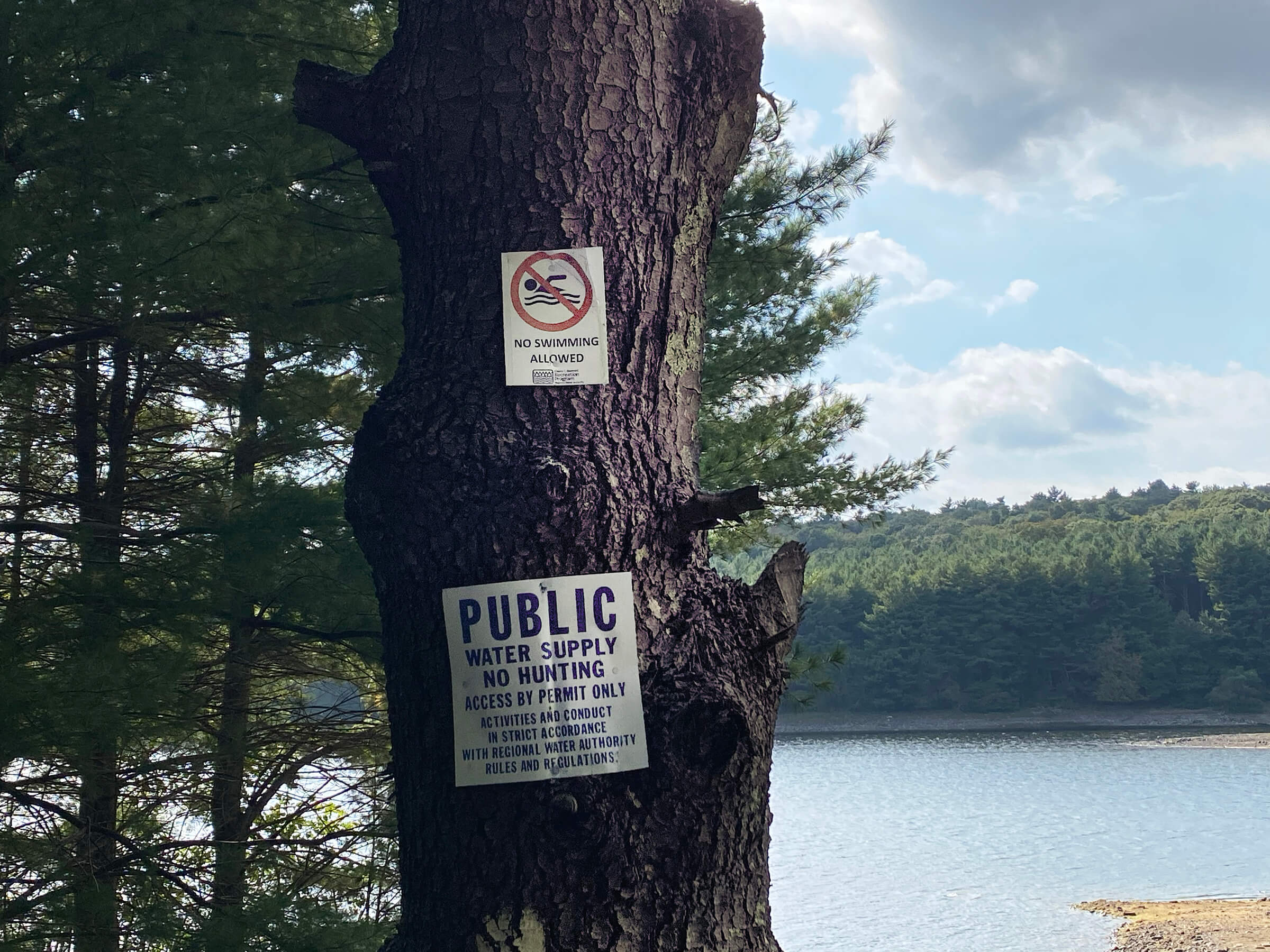
Editor’s Note: Community Voice essays reflect the perspectives of their authors. They are published to foster dialogue about issues of local concern, including questions of governance, transparency, and accountability. Other types of content are also welcome in this section, such as photo essays or updates from community groups to highlight upcoming events. To submit a Community Voice essay for consideration, please send your piece (600–900 words) by contacting the editor by email.