Bats Take Flight at the Former Country Club Property
State biologists confirm six species at CCW, most endangered or rare
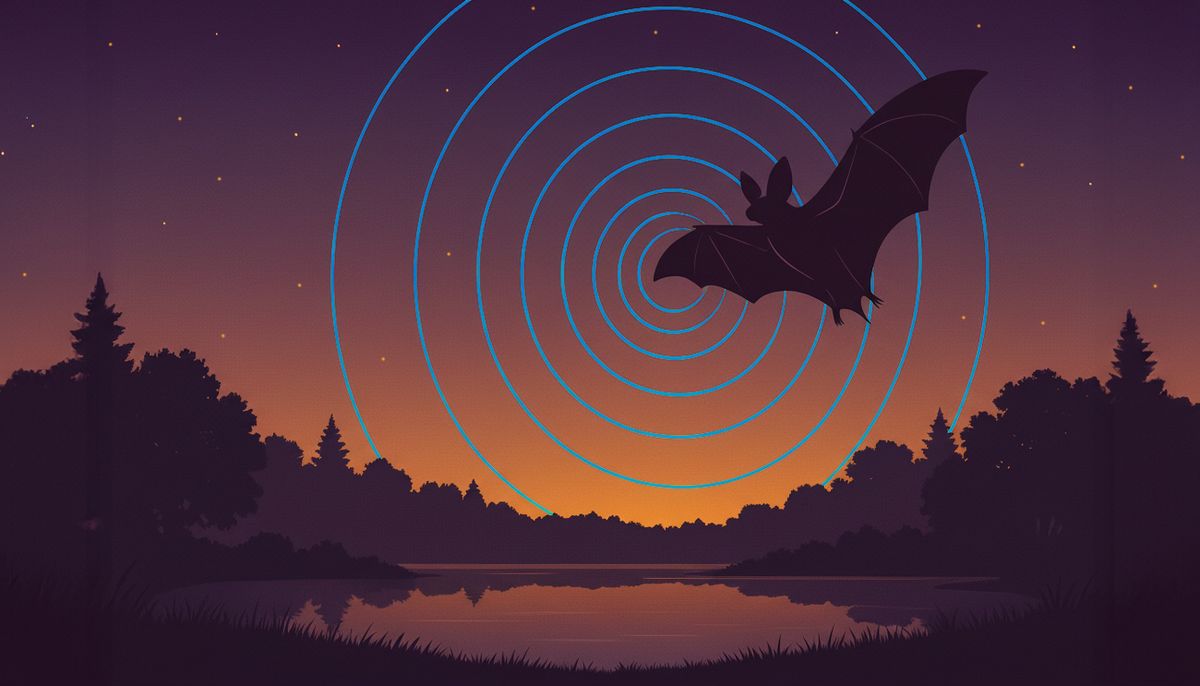
A new Connecticut DEEP study at the former Country Club of Woodbridge (CCW) detected six of the state’s nine known bat species. All but one of the detected bat species are state-listed as endangered or of special concern (nearly endangered).
We often think of bats only around Halloween — alongside ghosts, ghouls, and this year, even K-pop demons. But unlike these other apparitions, bats are very much real and are key members of thriving ecosystems. Some bats eat fruits, spreading seeds across the landscape. Others sip nectar, pollinating plants. The agave plant — source of tequila and morning headaches — depends predominantly on bats to reproduce. Bats also eat insects—lots of them. A single bat can consume 1,200 mosquitoes in an hour, an appetite that provides pest control services worth at least $23 billion to the agricultural industry. Bats are also a hugely successful group. With over 1,400 species, one out of every five mammals is a bat.
Despite this success story, bats are struggling in our human-dominated world. In Connecticut, eight of the nine species are state- or federally listed. Loss of habitat from housing, agricultural development, forest clearing, or other causes is globally the most significant threat. Many bats are also shy and sensitive, avoiding the bright lights of human development. White-nose syndrome, a deadly fungus, has afflicted many cave-dwelling bats, including the Eastern small-footed bats and Little brown bats detected at the CCW. Finding active bat populations at the CCW is especially exciting given these threats to their survival.
Discovering Bats at the CCW
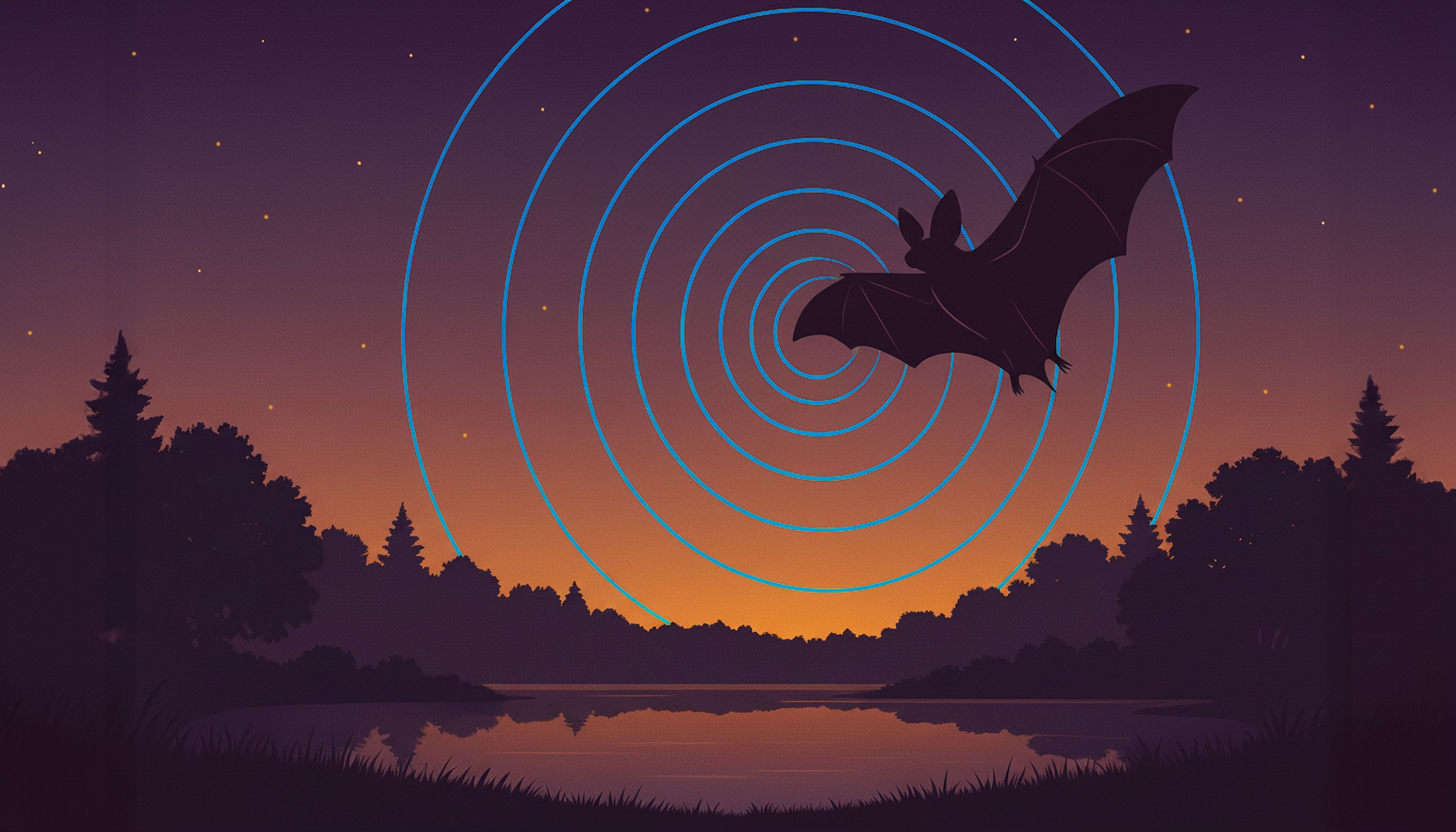
At the invitation of the Woodbridge Conservation Commission, CT DEEP biologist Dr. Devaughn Fraser set up acoustic monitors this summer. Over several weeks, she recorded the high-pitched squeaks, chirps, and buzzes bats use for echolocation while hunting and navigating at night. Each bat species has a distinct pitch and pattern in its vocalizations, which advanced software models can use to identify which species are present.
Using these techniques, Dr. Fraser found that the CCW supported high levels of foraging and general activity for all detected species, including Silver-haired bats and Hoary bats, both of which are uncommon tree species. In particular, the area around the pond is a major site for Eastern small-footed bats, a Connecticut endangered species.
Protecting Rare Habitat for Bats and Other Creatures
One reason so many bat species are drawn to the CCW may be its rare young-forest and grassland habitat — a type that now covers only about 3% of Connecticut. This makes the CCW site of statewide importance. Indeed, local birders have also reported eight rare and state-listed birds on the property, including Brown thrashers, American kestrels, and Blue-winged warblers. Statistics on rare plants, insects, and other groups are currently unknown.
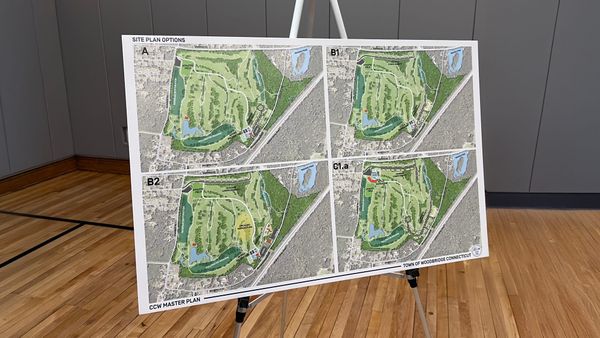
The CCW Master Plan, recently unveiled by the Town of Woodbridge, would set aside 93 acres of the total 128 acres of open young-forest and grassland as open space. This is undoubtedly good news for future bat populations. However, it proposes using the remaining 27% to build new housing, at a significantly higher density than that of adjacent developed parcels. Unfortunately, the presence of high-density housing will degrade the habitat set aside as open space, since the impact of human development extends far beyond its actual footprint. The inevitable noise, pollution, artificial lighting, roaming cats, and other detrimental factors that typically accompany development will make the site less appealing, or even uninhabitable, to bats and many other plants and animals.
Get Involved and Learn More
You can read the complete bat study by visiting the Conservation Commission page at the town website, where you can also browse other reports that document CCW’s unique ecology, including reports by DEEP foresters, Audubon CT, and the Southwest Conservation District.
The Conservation Commission is working to document more of the CCW’s biodiversity and ecological functions, perhaps before they are lost forever. We are also planning, along with the Sustainability Committee, additional programming on bats, including workshops on building and installing bat boxes and public presentations by bat biologists.
Stay tuned as we uncover more of the surprising species that call the CCW home — a site that’s not just a Woodbridge treasure, but one of statewide importance.
Editor’s Note: Community Voice essays reflect the perspectives of their authors. They are published to foster dialogue about issues of local concern, including questions of governance, transparency, and accountability. Other types of content are also welcome in this section, such as photo essays or updates from community groups to highlight upcoming events. To submit a Community Voice essay for consideration, please send your piece (600–900 words) by contacting the editor by email.