At 106, the League of Women Voters continues its civic tradition
An update from the League of Women Voters of Amity on recent legislative breakfast
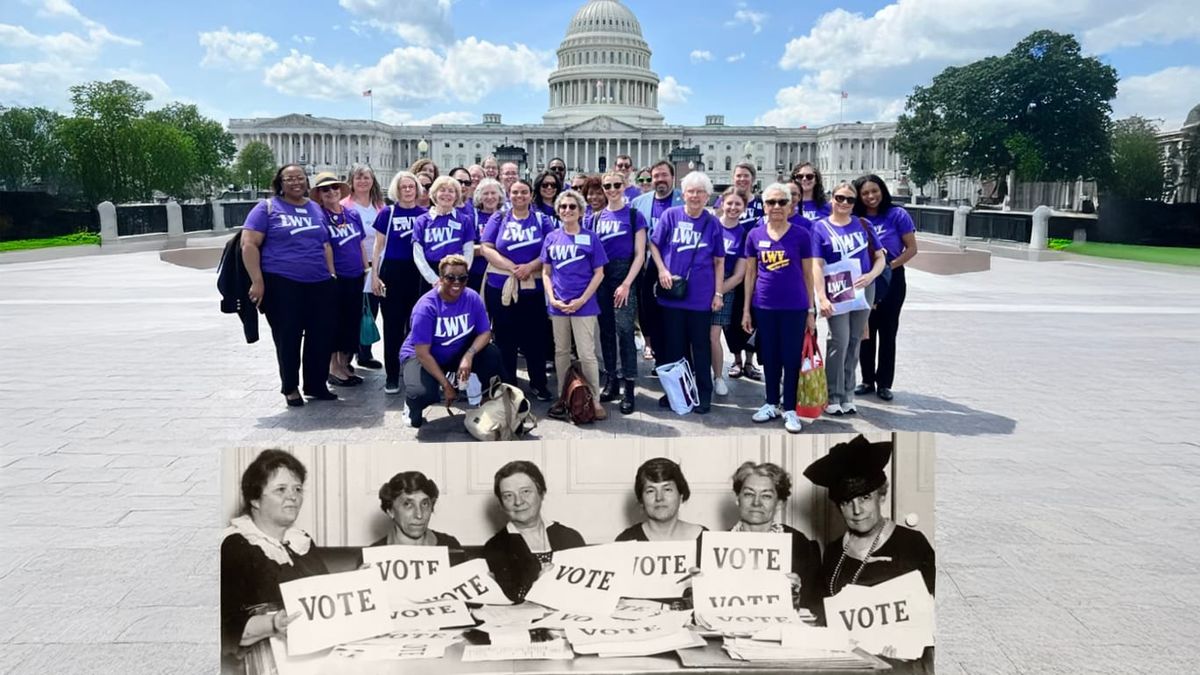
An update from the League of Women Voters of Amity
On February 14, 1920, six months before the 19th Amendment was ratified, the League of Women Voters was founded — not as a celebration of a victory already secured, but as preparation for responsibility. Women had fought for the vote. Now they would need to use it. That founding purpose still shapes the League 106 years later.
In her recent “State of the League” address, League of Women Voters of the United States President Diana Wynn reflected on the organization’s long history of civic engagement during periods of national strain. She recalled the McCarthy era of the 1950s, when Percy Maxim Lee — a Connecticut native and then national League president — testified before Congress to defend the principles of open debate and civic participation at a time when dissent was often viewed with suspicion.
Lee’s message was not partisan. It was constitutional. She argued that participation, disagreement, and public scrutiny are not weaknesses in a democracy — they are signs of its health. That perspective remains central to the League’s mission today.
You can watch a recording of Wynn’s 2026 State of the League address on YouTube:
The League’s work is perhaps most visible not in Washington, but around local tables.
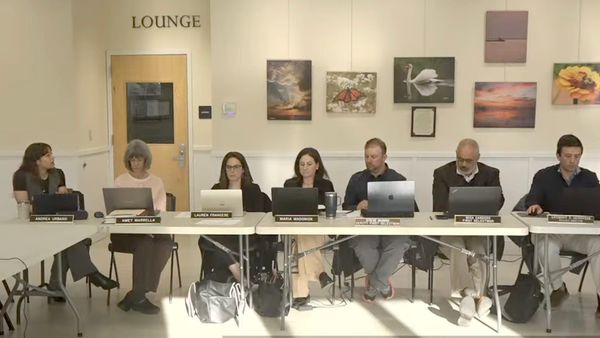
On January 24, members of the League of Women Voters of Amity attended the Hamden–North Haven League’s annual legislative breakfast at the Whitney Center. The gathering was open to the public and drew a mix of residents, students, and elected officials. State Senator Jorge Cabrera and Representative Mary Welander, along with additional area legislators, participated in a moderated discussion covering healthcare, housing, and immigration policy.
Housing, in particular, remains a topic of interest in communities like Woodbridge. Representative Welander referenced potential reforms to Connecticut’s affordable housing statute, CGS § 8-30g — legislation that shapes how towns review and respond to certain housing applications. As residents know, that statute plays a role in ongoing land-use conversations across the state.
The breakfast concluded with a roundtable segment, allowing attendees to speak directly with legislators in smaller groups. High school students were present, listening and asking questions. The setting was orderly, civil, and substantive — a reminder that civic life often advances not through grand gestures, but through sustained, respectful exchange.
Throughout its history, the League of Women Voters has operated under a clear structure: it does not endorse political parties or candidates. Its positions derive from member study and consensus around core principles — voting rights, representative government, and access to reliable public information.
At moments when public institutions are under debate, that focus can draw scrutiny. But the League’s commitment has remained consistent for more than a century: strengthen the process, inform the electorate, and encourage participation across generations.
The League’s founding in 1920 came at a time of significant social and political change. The McCarthy era posed different tests. The civil rights movement, the Vietnam War, and constitutional debates of the 1960s each brought their own tensions. Through those periods, the League’s approach remained remarkably steady: educate, engage, and, when necessary, advocate within the framework of constitutional democracy.
The Connecticut League will soon host Advocacy Day at the Capitol and a program examining the 1965 Connecticut Constitutional Convention, when Ella Grasso served as Secretary of the State — another reminder that civic institutions evolve, but endure.
Locally, the League of Women Voters of Amity is exploring additional opportunities for community engagement later this year — stay tuned for more information.
At 106 years old, the League’s work is neither dramatic nor fleeting. It is patient and rooted in the belief that informed citizens, gathered around real tables in real communities, are the foundation of self-government.
That tradition continues — one conversation at a time.
Editor’s Note:
Both Community Voice guest opinion pieces and Letters to the Editor reflect the views of their authors and not necessarily those of the Woodbridge Town Chronicle. Submissions are reviewed and curated by the editor. Learn more about our submission process by reading the Submissions and Editorial Guidelines.